

Key Takeaways
- Personal style is rooted in self-knowledge, not trend awareness.
- Fashion is an industry; personal style is an individual expression.
- Your lifestyle, values, and daily routine should shape your wardrobe choices.
- A signature look can be built at any budget — price tags don't define style.
- Consistency matters more than variety when developing a recognizable aesthetic.
Personal Style
Personal style is the consistent, intentional way you present yourself through clothing, accessories, and grooming — driven by your own values, personality, and lifestyle rather than by seasonal trends. It's less about what's "in" and more about what feels genuinely like you. Think of it as a visual language you develop over time, one that communicates who you are before you say a word.
In fashion theory, personal style is sometimes called "aesthetic identity" — the stable set of visual preferences that persists even as trends cycle in and out.
Fashion Trends Come and Go — Personal Style Is Yours to Keep
Here's a distinction worth burning into memory: fashion is an industry, and personal style is a practice. The fashion industry runs on novelty — new colors every season, new silhouettes, new "must-haves." Personal style, by contrast, is something you develop slowly, intentionally, and entirely on your own terms.
When someone walks into a room and you immediately think, that's so them — that's personal style at work. It has nothing to do with whether they're wearing this season's trending palette. It has everything to do with the fact that they've figured out what they like, what fits their life, and how they want to show up in the world.
Chasing trends without a style foundation is exhausting and expensive. You end up with a closet full of pieces that don't talk to each other, and nothing feels quite right. Developing a genuine personal style — even a simple, understated one — makes every getting-dressed decision easier. For more on smart choices without overspending, explore budget fashion strategies that put individual expression first.
What Personal Style Is Actually Made Of
Personal style has three interlocking ingredients: self-knowledge, lifestyle fit, and visual consistency.
74%
Adults who say clothing affects their confidence
A survey by the American Psychological Association found a strong link between intentional dressing and self-reported confidence levels.
~$1,700
Average annual U.S. household clothing spend
According to the U.S. Bureau of Labor Statistics Consumer Expenditure Survey, American households spend roughly this amount on apparel and services each year.
Self-knowledge means understanding what genuinely appeals to you — not what you think should appeal to you based on social media or what your friends wear. It's the colors that make you feel alive, the silhouettes that feel comfortable and powerful, the level of formality that matches your personality.
Lifestyle fit is the practical layer. A style that works beautifully for your actual daily life — your job, your commute, your weekend habits — will always outperform one you've borrowed from an aspirational image board. That gap between inspiration and reality is worth closing consciously. The guide to dressing for your lifestyle walks through exactly how to do that.
Visual consistency is what ties the first two together. It doesn't mean wearing the same outfit on repeat — it means your choices share a recognizable thread: a recurring color family, a preference for a certain type of fabric, a consistent level of polish or ease. That thread is what makes an aesthetic feel coherent rather than random.
Understanding how color, pattern, and texture interact is a surprisingly powerful tool here. If you want to go deeper, the visual language of personal style breaks it down in practical terms.
Why Knowing Yourself Is the Only Starting Point That Works
No quiz, no stylist, and no algorithm can hand you a personal style — they can offer inputs, but the synthesis has to come from you. That's actually good news. It means personal style is democratic: it doesn't require a particular body type, income bracket, or access to certain stores. It requires honest self-reflection.
Start With What You Already Own
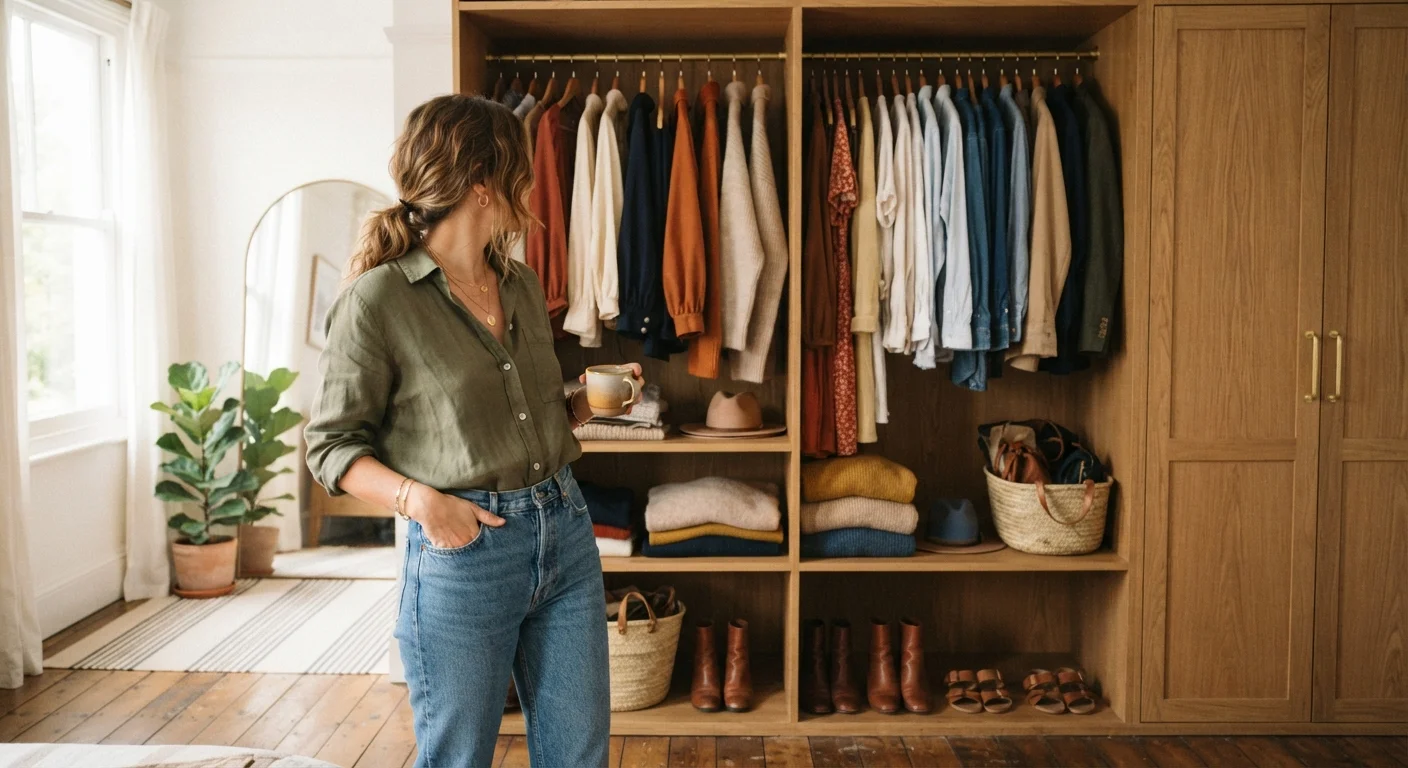
Before buying anything new, spend 20 minutes pulling your most-worn, most-loved pieces from your current wardrobe. Lay them out together and look for common threads — colors, silhouettes, textures, moods. This low-effort audit often reveals a personal style blueprint you already have but haven't consciously named yet.
A useful starting exercise: go through your existing wardrobe and pull out the pieces you feel genuinely good in — not just pieces that are technically flattering, but pieces that feel right. Look for patterns in what you've chosen. That's real data about your aesthetic preferences.
From there, the next step is building outward with intention rather than accumulation. The beginner's guide to finding your style identity offers a structured approach if you want a framework to follow. And if you're thinking about how to organize your wardrobe around those choices, it's worth understanding how a signature style differs from a capsule wardrobe — two solid approaches that work differently depending on your life.
Personal style isn't a destination you arrive at. It's a practice you refine. Start with what you already know about yourself, build from there, and let it grow with you over time. For a comprehensive roadmap, the full guide to developing personal style covers the whole journey from self-discovery to a wardrobe that actually fits your life.