

Key Takeaways
- Cashback portals are browser-based intermediaries that earn a commission and share it with shoppers as rebates.
- Cashback credit cards reward spending automatically at the point of payment, with no extra steps required.
- Both tools can be used together legally and are not mutually exclusive.
- Portals require deliberate activation before each shopping session; cards work passively on every eligible purchase.
- Credit card cashback rates are fixed per category, while portal rates vary by retailer and change frequently.
- Neither tool eliminates the importance of comparing base prices before assuming you are getting the best value.
Option A
Cashback Portals
The browser-based rebate layer you activate before you shop.
Best for: Shoppers who want to stack extra savings on top of existing payment methods without applying for new credit.
Option B
Cashback Credit Cards
The payment method that earns rewards automatically on every swipe.
Best for: Consumers who pay their balance in full monthly and want passive, automatic rewards on everyday spending.
If you want rewards with zero extra steps at checkout
Cashback Credit Cards
Cards earn automatically on every eligible transaction — no portals to visit, no links to click before shopping.
If you want to layer extra savings on top of your existing payment method
Cashback Portals
Portals work independently of how you pay, so they can add rebates even when you use a debit card or a card that already earns rewards.
If you are building or rebuilding credit and prefer not to open new accounts
Cashback Portals
Portals require no credit application, no hard inquiry, and no new line of credit to access their rebates.
If you carry a monthly credit card balance regularly
Cashback Portals
Interest charges on an unpaid balance will typically far exceed any cashback earned; portals deliver rebates without that financial risk.
If you want predictable, consistent rewards on groceries or gas year-round
Cashback Credit Cards
Category-specific cards offer stable, published rates on everyday expenses — portal rates for those categories fluctuate and are not always available.
How Each Tool Actually Works
Despite sounding similar, cashback portals and cashback credit cards operate through entirely different mechanisms.
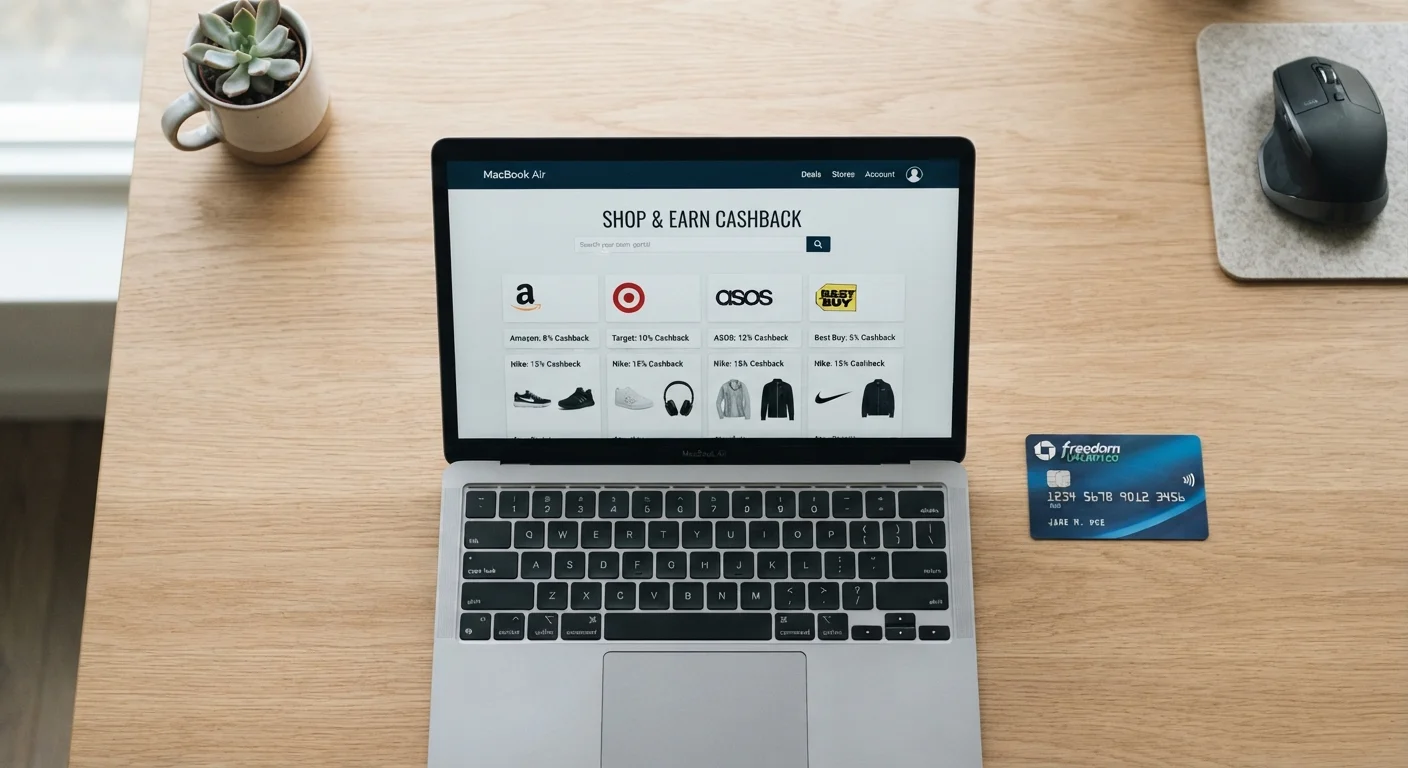
Cashback portals — sometimes called rebate portals or shopping portals — are websites or browser extensions that sit between you and a retailer. When you click through a portal's link to a participating retailer and complete a purchase, the retailer pays the portal an affiliate commission. The portal keeps a portion and credits the remainder to your account as a rebate. Common redemption methods include PayPal, gift cards, or direct deposit, though minimum thresholds often apply before you can withdraw.
Cashback credit cards work at the payment layer. When you use the card, the card issuer earns interchange fees from the merchant and returns a percentage of your purchase to you as a statement credit, points, or cash deposit. The reward rate is set by your card agreement — typically a flat rate on all purchases or elevated rates in specific categories such as dining or groceries — and applies automatically without any pre-shopping ritual.
Understanding this structural difference helps explain why the two tools behave so differently in practice. See our broader map of deal-hunting tools for context on where both fit within a larger savings strategy.
| Criterion | Cashback Portals | Cashback Credit Cards |
|---|---|---|
| How it works | Affiliate commission shared as rebate | Interchange fee returned as card reward |
| Activation required | Yes — click through before each shop | No — automatic on every swipe |
| Rate consistency | Variable; changes by retailer and date | Fixed per category in card agreement |
| Retailer coverage | Participating merchants only | Anywhere the card network is accepted |
| Credit check required | No | Yes — hard inquiry on application |
| Stackable with each other | Yes | Yes |
| Payout method | PayPal, gift card, or direct deposit | Statement credit, check, or points |
| Interest rate risk | None | Applies if balance is carried |
Key Practical Differences to Know
Several day-to-day distinctions matter for shoppers deciding how to use each tool.
Activation requirement
Portals require deliberate action before every shopping session — you must visit the portal site or activate a browser extension, then click through to the retailer. Miss that step and you earn nothing, regardless of what you purchase. Credit card cashback, by contrast, requires no pre-session action; you simply pay with the card.
Rate stability
Card rates are fixed in your cardholder agreement and change only when the issuer formally updates them. Portal rates are set by retailers and change frequently — a retailer might offer 6% one week and 2% the next, or temporarily pause its portal program entirely.
Retailer coverage
Portals are limited to participating merchants. Many local businesses, service providers, and smaller online shops do not participate. Credit cards earn rewards wherever the card network (Visa, Mastercard, etc.) is accepted, which is far broader.
Stackability
Crucially, the two tools are generally stackable. You can click through a portal link and pay with a cashback credit card at the same retailer, earning rebates from both simultaneously. This is legal and common among deal-focused shoppers. Price comparison shopping remains important even when stacking — a higher cashback rate rarely offsets a meaningfully higher base price.
~$150B
Annual U.S. affiliate marketing spend
Industry research estimates U.S. affiliate marketing spending — the commercial engine behind cashback portals — exceeds $150 billion annually, reflecting how widely retailers use commission-based referrals.
83%
U.S. adults with at least one credit card
According to the Federal Reserve's Report on the Economic Well-Being of U.S. Households, the vast majority of American adults hold at least one credit card, making card-based rewards a mainstream savings channel.
30–90 days
Typical portal cashback pending period
Most cashback portal programs hold earnings in a pending state for one to three months to account for potential returns, before funds become withdrawable.
Risks and Limitations Worth Understanding
Neither tool is without trade-offs, and being clear-eyed about them prevents disappointment.
Portals: Cashback can be reversed if you return an item, and some portals have lengthy pending periods — often 30 to 90 days — before earnings become withdrawable. Account inactivity can sometimes cause balance forfeiture under portal terms. Rates displayed are not guaranteed until the retailer confirms the transaction.
Credit cards: Any cashback earned is effectively erased — and then some — if you carry a balance and pay interest. The general financial guidance is that cashback credit cards only make practical sense for consumers who pay their statement in full each billing cycle. Card applications also trigger a hard credit inquiry, which can temporarily affect credit scores.
For shoppers thinking about how savings tools fit into broader money habits, our overview of saving and debt strategies provides useful framing. And if you are curious about envelope-style budgeting as a complement to these tools, see cash stuffing vs. digital envelope budgeting.
Stacking Portals and Cards: A Common Question
Many shoppers wonder whether using a cashback portal and a cashback credit card at the same retailer is allowed. In general, both programs operate independently — the portal tracks a referral commission while the card tracks a payment transaction — so earning from both simultaneously is typically permitted under standard terms. However, individual portal or card terms can vary, so it is worth reviewing the specific program rules for any tool you use regularly.
This article is for general informational purposes only and does not constitute financial or legal advice. Consult a qualified financial professional for guidance specific to your situation.