

Key Takeaways
- Retailers sometimes raise prices before a sale to make discounts appear larger than they are.
- Price history tools let you see what an item actually sold for over weeks or months.
- Comparing the sale price across multiple retailers quickly reveals whether a discount is competitive.
- Reading a product's pricing timeline helps you distinguish a genuine drop from a staged one.
- Understanding markup patterns helps you avoid being misled by inflated 'original' prices.
Why Price Claims Deserve a Second Look
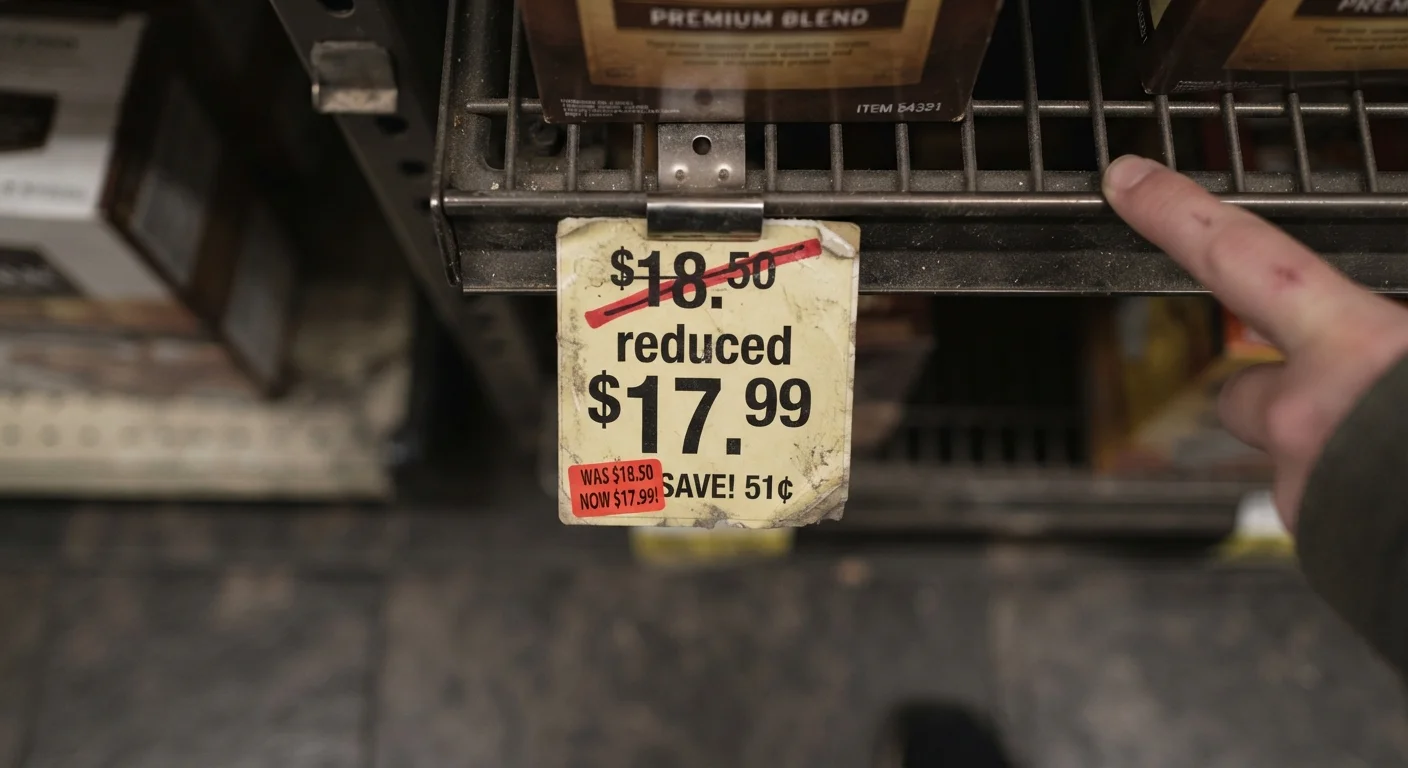
A bold percentage-off badge or a crossed-out "original" price is one of retail's most effective persuasion tools. The problem is that the reference price — the number being crossed out — is not always what anyone actually paid. Some retailers temporarily raise a price before a promotional period specifically to manufacture a larger-looking discount, a practice sometimes called "price inflation" or "reference price manipulation."
Consumer protection agencies in the U.S. have long flagged misleading reference prices as a concern, yet the practice persists in various forms. The result: a "40% off" label can mean genuine savings or essentially nothing, depending on the retailer's pricing history. The methods below give you concrete ways to tell the difference before you spend.
Start with price history before anything else
Price history tools are the single highest-value step in this process because they replace the retailer's framing with objective data. Building the habit of checking a product's price chart before any significant purchase takes less than 60 seconds and consistently surfaces whether a deal is genuine. Many tools are available as browser extensions that surface this data automatically on retailer product pages.
Methods to Confirm a Price Has Genuinely Dropped
Check a price history tracker
Browser extensions and dedicated websites log an item's price over time, often going back six months to a year or more. By pulling up the price history chart for a product, you can see whether the current "sale" price is lower than its typical selling price — or whether the retailer quietly raised the price weeks before the promotion began. If the chart shows the item has spent most of its tracked history at or near the current "sale" price, the discount is largely cosmetic.
A price history chart reveals whether a 'sale' price is actually lower than the item's typical cost.
Search the item across multiple retailers simultaneously
A single retailer controls its own reference price, but it cannot control what competitors charge. Running a quick search of the same product — using the model number or exact product name — across several stores gives you an independent benchmark. If the "discounted" price at one retailer is roughly equivalent to the regular price everywhere else, the markdown is less meaningful than advertised. This cross-retailer comparison takes under two minutes and is one of the fastest reality checks available.
Competitors' regular prices are the most honest benchmark for any retailer's claimed discount.
Look up the item's original manufacturer suggested retail price
For many consumer goods, the manufacturer publishes a suggested retail price (MSRP) that is publicly verifiable on the brand's own website or in product documentation. Comparing the retailer's crossed-out price to the actual MSRP can expose whether the "original" price was inflated beyond what even the manufacturer recommends. If the retailer's stated original price exceeds the MSRP by a wide margin, that gap is worth scrutinizing before treating the discount as real.
When a retailer's 'original' price exceeds the manufacturer's own suggested price, skepticism is warranted.
Review recent customer feedback and purchase dates
Verified purchase reviews often carry timestamps, and a cluster of reviews from recent weeks can hint at when a product was actively selling at its normal price. If you see reviews from months ago describing the item at a price similar to today's "sale" price, that's a useful signal. While this method is less precise than a price tracker, it provides corroborating context, especially for items that don't have extensive tracked price histories.
Timestamped purchase reviews can hint at what buyers actually paid before a sale was announced.
Note how long the sale has been running
A perpetual sale — one that appears to reset or extend indefinitely — is a common indicator that the "original" price is a fiction. If a product page has shown the same percentage-off label for months without interruption, the sale price is effectively the regular price, regardless of what the crossed-out number says. Returning to a product listing after a week or two, or checking a cached version of the page using free web archive tools, can help you determine whether the promotion is genuinely time-limited or simply permanent marketing copy.
A sale that never ends is functionally the regular price, no matter what the tag claims.
Factor in the unit price for quantity-based deals
Bulk or multi-pack promotions add another layer of complexity. A "buy two, get 20% off" offer only represents a genuine saving if the per-unit price after the discount is lower than what you'd pay buying one unit elsewhere at its normal price. Calculating the unit price — total cost divided by quantity — and comparing it to single-unit prices at other retailers prevents you from over-purchasing in exchange for a discount that doesn't actually beat the market.
Dividing total cost by quantity gives you the only number that matters in a bulk pricing claim.
Reference prices and consumer protection
In the U.S., the Federal Trade Commission has guidance on deceptive pricing practices, including the use of inflated reference prices in advertising. Individual states may also have their own consumer protection statutes covering misleading price representations. While enforcement varies and not every inflated reference price triggers regulatory action, awareness of these standards helps consumers recognize when a pricing claim crosses from aggressive marketing into potentially misleading territory.
Once you've confirmed the discount is real, it's worth going one step further. Hidden costs like shipping fees and restocking charges can erase a legitimate price drop entirely. And if you want a broader view of how retailers engineer "deals," see our piece on what separates real savings from marketing illusions.
Making Price Verification a Habit
None of these methods requires more than a few minutes, and collectively they shift the power dynamic between retailer and shopper. Rather than reacting to urgency cues baked into sale displays, you're working from independent data about what a price actually has been.
For a wider view of when retailers genuinely reduce margins, understanding a retailer's markdown calendar adds useful context. And if you've encountered bold sale claims that turned out to be misleading, common myths about sale prices covers many of the patterns worth recognizing. More strategies are available in our deal hunting hub.