
The Anatomy of a Good Deal: What Separates Real Savings from Marketing Illusions

Key Takeaways
- A discount is only real if the reference price reflects what the item actually sold for previously.
- Price history tools let you verify whether a 'sale' price is genuinely lower than the norm.
- Total cost — including shipping, fees, and return restrictions — determines actual value, not the sticker price alone.
- Urgency tactics like countdown timers are designed to bypass your evaluation process.
- Comparing across multiple retailers is one of the most reliable ways to confirm a price is competitive.
A Real Deal
A real deal is a purchase where the price you pay is genuinely lower than the item's typical market value, resulting in meaningful savings without hidden trade-offs. It differs from a marketing illusion, where a retailer manufactures the appearance of a discount — often by inflating the 'original' price or bundling in unwanted extras. True savings hold up under scrutiny: when you check price history, factor in total cost, and compare across sellers, the number still looks good.
In retail pricing, a 'reference price' (the crossed-out figure next to a sale price) is legally required in many U.S. states to reflect a genuine prior selling price, but enforcement and definitions vary significantly by jurisdiction.
Why 'On Sale' Doesn't Automatically Mean 'Worth Buying'
The word sale carries enormous psychological weight. Research in consumer behavior consistently shows that people evaluate a price not in isolation, but against an anchor — typically the reference price displayed alongside it. Retailers understand this, which means the reference price itself becomes a lever they can pull.
A genuine deal requires two things to be true simultaneously: the price you pay must be lower than what the item normally sells for, and it must be lower than or equal to what comparable sellers charge. When either condition is missing, you're not saving money — you're responding to a presentation.
Common myths about sale prices trip up even experienced shoppers because these tactics are deliberately designed to feel intuitive. Understanding the mechanics behind them is the first step to seeing through them.
The Reference Price Problem
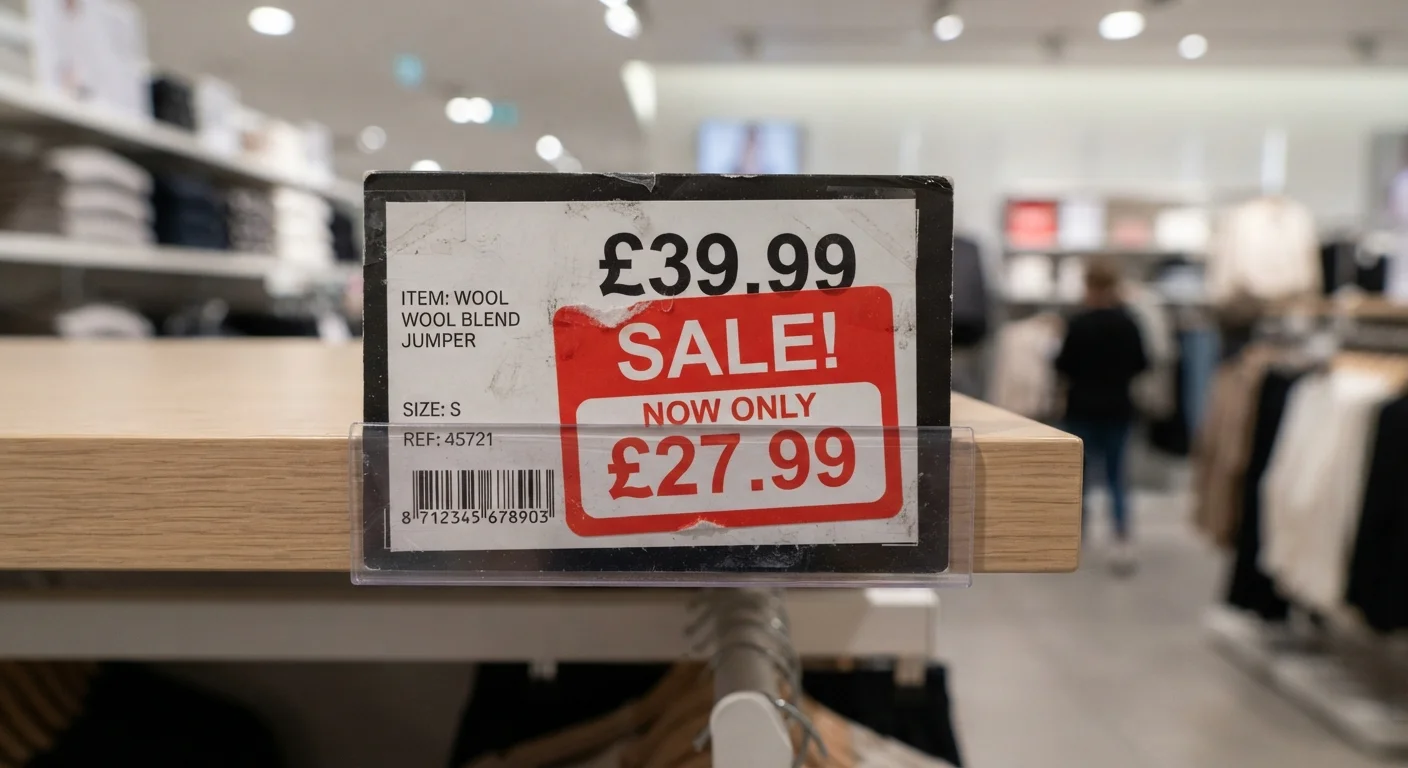
The crossed-out number next to a sale price — variously labeled 'original price,' 'compare at,' or 'was' — is the foundation of most retail discount presentations. Its legitimacy depends entirely on whether that number reflects reality.
In the United States, the Federal Trade Commission (FTC) has published guidance stating that a reference price should represent the price at which the item was actually offered for a substantial period. However, what constitutes 'substantial' is open to interpretation, and enforcement is inconsistent. Some retailers briefly list an item at an elevated price before marking it down, technically satisfying requirements while still misleading consumers about typical value.
~60%
Black Friday items with pre-sale price increases
A widely cited analysis by consumer advocates found that a substantial share of 'Black Friday deals' had prices raised in the preceding weeks, making the 'discount' appear larger than it was.
2–8 weeks
Typical pre-event price inflation window
Price tracking data has shown retailers sometimes raise reference prices weeks before major sale events before marking them back down to near-normal levels during the promotion.
3x
Urgency-framed offers affecting purchase speed
Behavioral economics research indicates that scarcity and deadline cues can compress consumer decision time significantly, reducing the likelihood of price comparison before purchase.
The practical implication: a reference price should be treated as a starting claim, not a verified fact. Tools that track historical pricing data allow you to see whether a product has ever consistently sold at its stated 'original' price — or whether the sale price is actually close to its everyday price. Verifying whether a price has actually dropped is a concrete skill worth building before any major purchase.
Urgency, Scarcity, and Other Pressure Tactics
Beyond inflated reference prices, a second category of marketing illusion works on a different psychological mechanism: time pressure. Countdown timers, 'only 3 left in stock' notices, and 'today only' banners are designed to compress your decision window before you can evaluate the deal rationally.
Counter Urgency With a Simple Pause Rule
Before responding to any countdown timer or 'limited stock' message, spend 90 seconds checking the same item on one other major retailer and scanning its recent price history. If the deal still looks strong after that brief check, it is far more likely to be genuine. Most marketing pressure evaporates when you give yourself permission to take that pause.
These tactics are not inherently deceptive — inventory does run out, and promotions do end. But they are frequently deployed even when neither condition is genuinely imminent. A 24-hour flash sale that recurs weekly is a scheduling choice, not a true scarcity event.
The reliable counterweight to urgency is a short, consistent pre-purchase habit. Pausing to check one or two competitor prices and glancing at price history takes only a few minutes and removes most of the pressure a countdown timer is designed to create. For a structured approach, the deal hunter's pre-purchase checklist walks through exactly that process.
Reading a Deal's True Value: A Practical Framework
Separating real savings from marketing illusions comes down to asking three questions before any purchase:
- What has this item actually sold for over time? Price history — not the reference price on the product page — answers this. A price that has sat at 'sale' level for months is simply the regular price.
- What is this item selling for elsewhere right now? A quick cross-retailer comparison reveals whether the deal is retailer-specific or reflects genuine market value. Price comparison strategies cover how to do this efficiently.
- What is the total cost of buying here? Shipping, return policies, and any attached fees change the final number. A lower sticker price with a $15 shipping fee and a no-return policy can easily cost more than a modestly higher price with free shipping and easy returns.
These three questions are not complicated, but they do require a brief pause — which is precisely what urgency-based marketing is designed to prevent. Building this habit sits at the core of smart budgeting and long-term spending awareness.
This article is for general informational purposes only and does not constitute financial advice. For guidance tailored to your personal financial situation, consult a qualified financial professional.