

Key Takeaways
- Shipping fees, handling charges, and return costs can erase savings from a lower listed price.
- Subscription models and auto-renewal traps are among the most common sources of unexpected ongoing charges.
- Comparing total cost of ownership — not just the purchase price — leads to more accurate side-by-side evaluations.
- Restocking fees on returned items can make a 'risk-free' purchase surprisingly costly.
- Always check the final checkout screen and full terms before committing to any purchase.
Why the Listed Price Is Almost Never the Whole Story
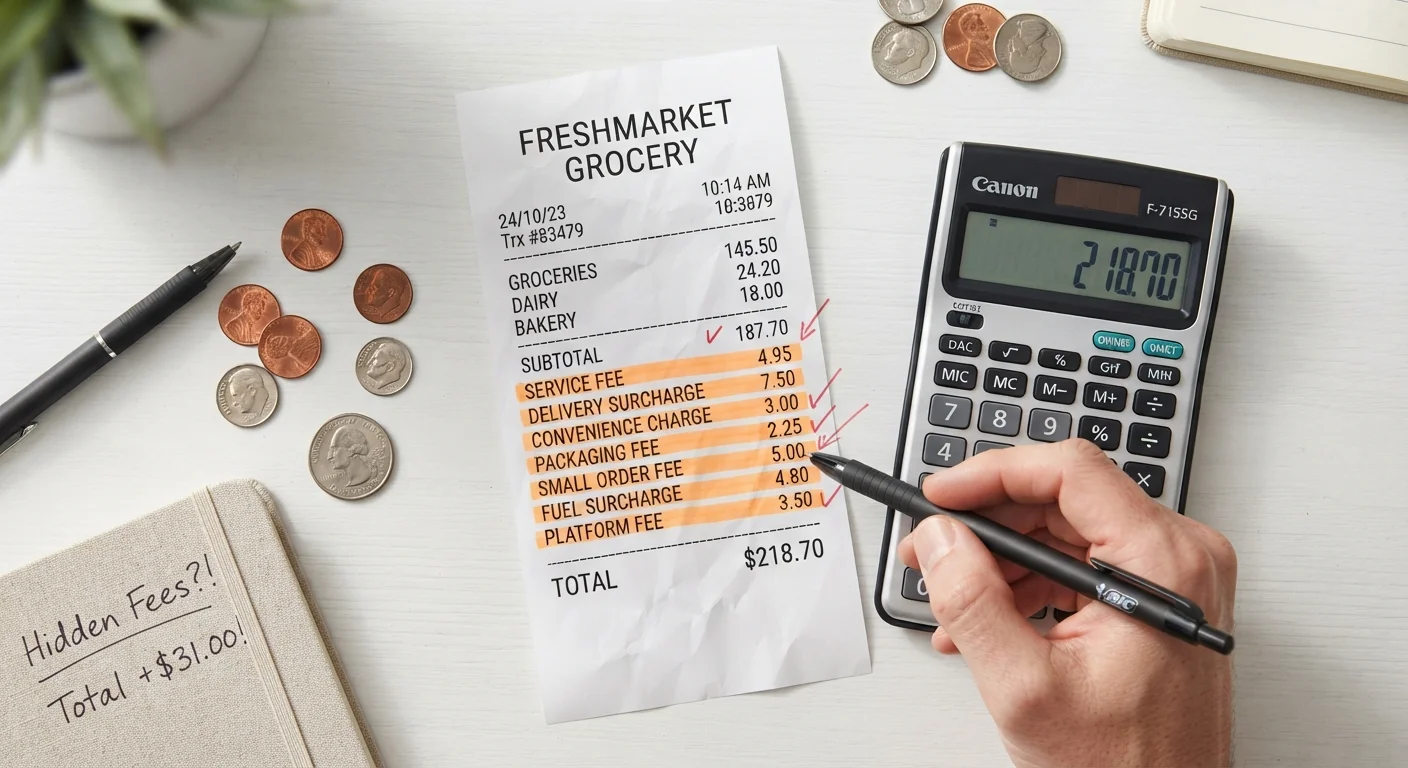
A lower number on a product listing feels like a win — but that number often excludes a range of fees that only surface later. Shipping costs, handling surcharges, mandatory service fees, and sales tax can collectively add 10–25% to what you expected to pay. For many purchases, those additions tip the math firmly against you.
This isn't accidental. Retailers and marketplaces have long known that consumers anchor on headline prices. A product listed at $39.99 with $12.99 shipping may cost more than a competing item priced at $49.99 with free shipping — yet the first one feels cheaper at first glance. Platform type matters too: the same item can carry very different total costs depending on where you buy it.
The solution isn't to distrust every deal — it's to build a habit of evaluating total cost before committing, not after the cart is full.
Ignoring shipping and handling fees when comparing prices across retailers.
Why it happens: Listing pages prominently display the item price, and shipping costs are often shown only during checkout. Shoppers frequently compare prices across tabs without reaching that final step.
Overlooking restocking or return-shipping fees that make returning an item costly.
Why it happens: Return policies are buried in fine print, and 'free returns' language in ads doesn't always mean the retailer pays return shipping. Restocking fees of 10–20% are common on electronics and large items.
Getting enrolled in a recurring subscription or auto-renewal to access a one-time deal.
Why it happens: Many retailers offer a discounted first order in exchange for signing up for a subscription. The savings on the first purchase feel real, but subsequent charges — often at full price — arrive on autopilot.
Comparing sticker prices without accounting for mandatory add-ons or required accessories.
Why it happens: A product listed at a low price sometimes requires separate purchases — batteries, cables, installation kits, or proprietary accessories — to function as intended. These requirements aren't always disclosed on the listing page.
Treating a sale price as a genuine saving without verifying the original price baseline.
Why it happens: Retailers sometimes inflate reference prices ('was $120, now $60') to make discounts look deeper than they are. Without a reliable price history, it's hard to tell if the 'original' price was ever real.
How to Evaluate Options Without Getting Burned
Side-by-side comparisons only work when you're comparing the same things. That means accounting for every cost attached to each option before declaring one the winner. A structured pre-purchase checklist can make this systematic rather than hit-or-miss.
~67%
Online shoppers who abandon carts due to unexpected fees
Research from the Baymard Institute consistently finds unexpected costs — primarily shipping — are the leading cause of cart abandonment in U.S. e-commerce.
15–20%
Typical restocking fee on returned electronics
Consumer advocacy organizations note restocking fees in this range are common across major electronics categories, often disclosed only in retailer return policy pages.
Start with the final checkout total — not the listing price. Then ask: what happens if you need to return it? Is there a membership required to get the advertised price? Are you being enrolled in anything recurring? These questions take under two minutes and can save you from compounding costs that outlast the original purchase.
Hidden costs aren't unique to one category. They show up in fashion just as readily as in everyday goods, and they're a persistent feature of major purchase categories like auto ownership. Building total-cost thinking into every purchase decision — regardless of category — is one of the most reliable ways to protect your budget. See the broader framework in our deal hunting guides and smart budgeting resources.
Watch for 'Free Trial' Offers Tied to Purchases
Some checkout flows bundle a product purchase with a free trial for an unrelated subscription service. The trial auto-converts to a paid membership after 30 days. Always scan the full order summary for any line items you didn't explicitly choose — and opt out before completing the transaction if anything looks unfamiliar.