

Key Takeaways
- The term 'natural' has no standardized legal definition for most wellness products sold in the U.S.
- Natural ingredients can still cause allergic reactions, drug interactions, or harmful effects at certain doses.
- Regulatory oversight for supplements and cosmetics differs significantly from that applied to prescription drugs.
- Third-party certifications and ingredient transparency are more reliable signals than marketing language alone.
- Consulting a healthcare professional before adding any new wellness product to your routine is always advisable.
Why 'Natural' Feels Like a Safety Signal - But Isn't
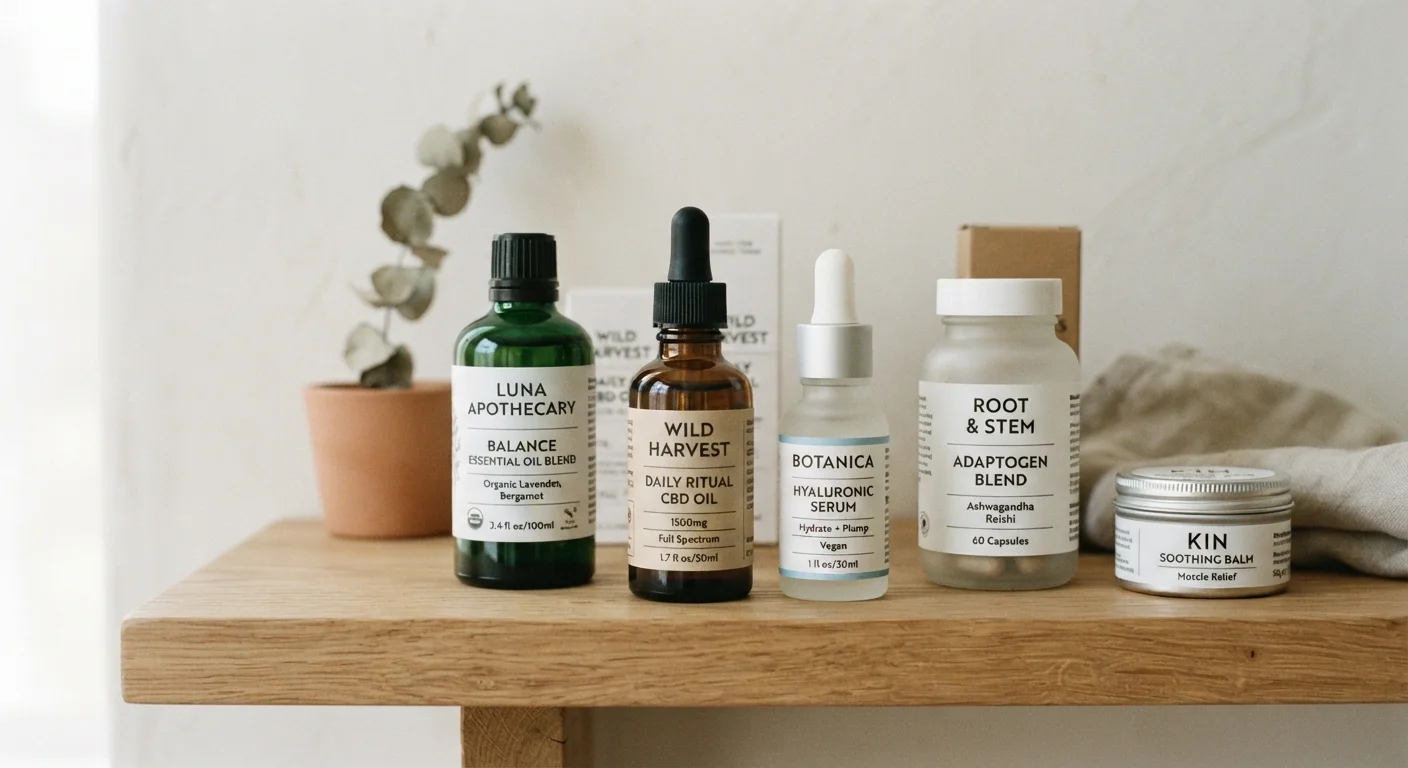
Walk through any wellness aisle or browse supplement listings online, and one word appears almost constantly: natural. It shows up on herbal capsules, skin serums, protein powders, and sleep aids alike - often paired with imagery of plants, clean landscapes, and earthy tones designed to evoke purity and wholesomeness.
The instinct to read 'natural' as 'safe' is understandable. But for most wellness product categories sold in the United States, the term carries no standardized legal definition and no built-in safety guarantee. The U.S. Food and Drug Administration (FDA) has noted that it has not formally defined the term 'natural' for use in food labeling in a comprehensive regulatory sense, and the gap is even wider for supplements and personal care products.
Understanding this disconnect is one of the most practical things a wellness shopper can do. For a broader look at what the wellness product category actually covers, see our explainer on what wellness products actually are.
This Content Is General Information, Not Medical Advice
Nothing in this article should be interpreted as a diagnosis, treatment recommendation, or substitute for guidance from a qualified healthcare provider. If you have questions about specific ingredients, supplements, or how a product may interact with medications or health conditions, please consult a licensed healthcare professional.
Common Mistakes Shoppers Make Around 'Natural' Claims
The following errors are among the most frequent - and consequential - made by consumers navigating wellness product decisions. Each one stems from a reasonable but ultimately flawed assumption about what 'natural' signals.
Treating 'natural' as a regulated safety guarantee on product labels.
Why it happens: Shoppers often assume that government agencies have reviewed and approved the use of 'natural' as a meaningful safety claim - similar to how prescription drugs are evaluated before reaching shelves.
Assuming that because something comes from a plant or earth-derived source, it cannot cause harm.
Why it happens: The association between nature and safety is deeply intuitive - we tend to contrast 'natural' with 'synthetic' and read synthetic as inherently riskier.
Conflating 'natural' labeling with proof that a product has been tested for purity or potency.
Why it happens: Eye-catching labels with botanical imagery and earthy tones create a visual shorthand for quality, even when no independent testing has occurred.
Skipping a healthcare provider conversation because a product seems low-risk due to its natural positioning.
Why it happens: Wellness products marketed as natural, gentle, or plant-based are often perceived as no more consequential than food - something that doesn't require professional input.
Assuming all wellness product categories are regulated by the same standards as food or pharmaceuticals.
Why it happens: Many shoppers don't realize that dietary supplements, topical cosmetics, and over-the-counter products each fall under distinct regulatory frameworks, none of which require pre-market safety approval in the way prescription drugs do.
Undefined
'Natural' regulatory status for supplements in the U.S.
The FDA has not established a formal, comprehensive regulatory definition for the term 'natural' as it appears on most dietary supplement or personal care product labels.
~57%
U.S. adults who report using dietary supplements
According to the NIH Office of Dietary Supplements, a majority of U.S. adults use at least one dietary supplement - many without consulting a healthcare provider first.
For a wider look at labeling language that often misleads, our article on wellness claims that deserve a second look covers terms like 'clinically studied' and 'supports immunity' with the same critical lens.
What to Look for Instead
Once you understand that 'natural' is primarily a marketing description rather than a regulatory category, it becomes easier to redirect attention toward signals that carry more weight.
- Ingredient transparency: A full, readable ingredient list - with amounts disclosed - allows you to research individual components. Proprietary blends that obscure quantities make this harder.
- Third-party testing: Seals from recognized independent organizations provide a meaningful checkpoint that marketing language alone cannot replicate.
- Regulatory category awareness: Knowing whether a product is classified as a dietary supplement, cosmetic, or OTC drug tells you what level of pre-market review, if any, applies.
- Label claim types: Structure/function claims on supplements (e.g., 'supports healthy joints') are not FDA-approved efficacy claims. Food label terms that seem meaningful explores this further in the context of food packaging.
Before adding any new wellness product to your routine, our practical checklist of questions to ask before buying can help you evaluate claims, ingredients, and personal fit more systematically.
This article is for general informational purposes only and does not constitute medical advice. Always consult a qualified healthcare professional before starting, stopping, or changing any supplement, medication, or wellness routine.