

Key Takeaways
- Wellness products are not medications and are not intended to diagnose, treat, or cure any disease.
- The category includes supplements, topical products, sleep aids, fitness tools, and more - each governed by different regulations.
- Marketing claims like 'supports immunity' are not the same as clinically proven health benefits.
- Understanding what category a product falls into helps you evaluate what oversight it has actually received.
- Always consult a qualified healthcare professional before adding a new wellness product to your routine.
Wellness Products
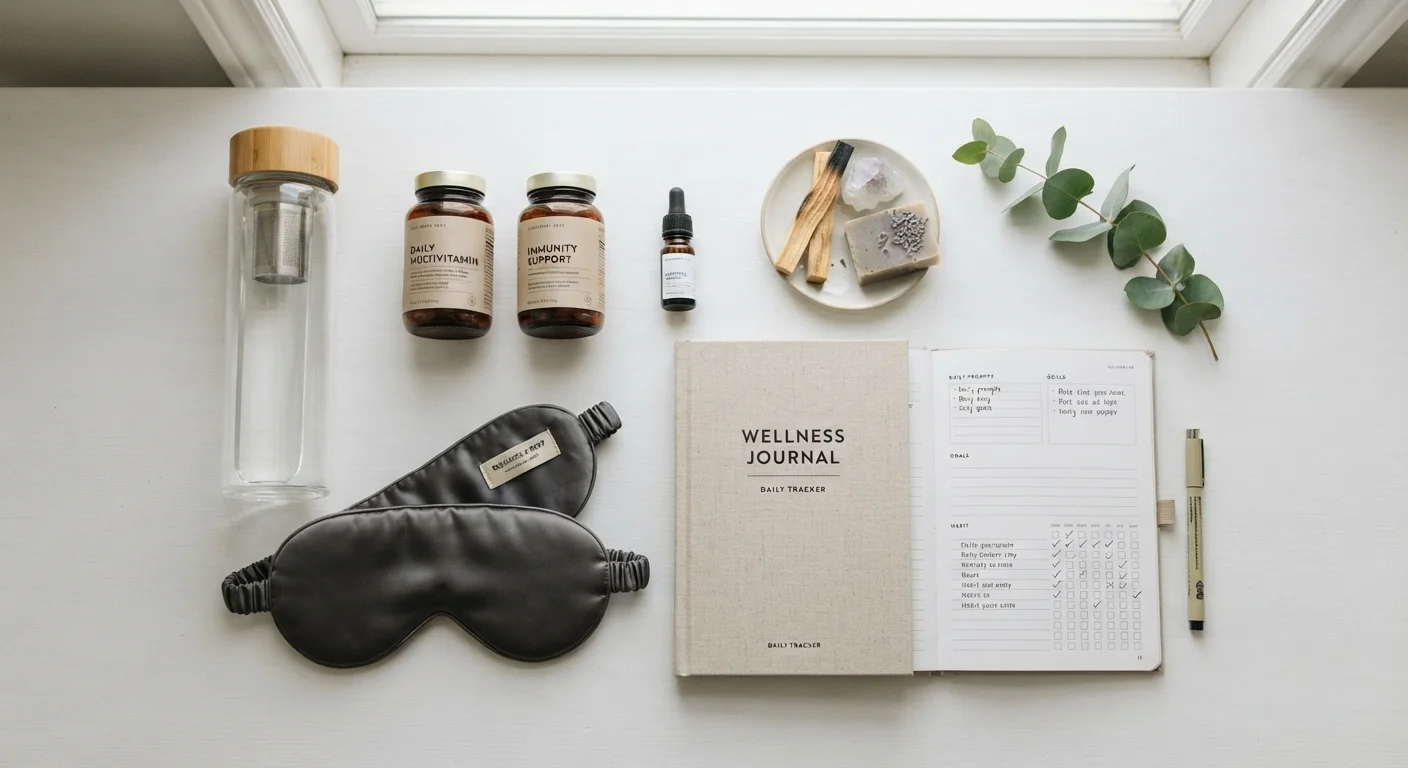
Wellness products are goods marketed to support, maintain, or improve a person's physical, mental, or emotional well-being - outside of treating a diagnosed medical condition. The category spans a wide range, from dietary supplements and personal care items to sleep aids, fitness tools, and stress-support products. Unlike prescription drugs, most wellness products are sold over the counter without requiring a doctor's approval.
In the U.S., products in this category may be regulated as dietary supplements, cosmetics, or general wellness devices, each under different FDA frameworks - meaning oversight levels vary considerably depending on the product type.
Why 'Wellness Products' Is Such a Broad Term
Walk through any pharmacy, grocery store, or online marketplace and you'll encounter a sprawling section labeled "wellness." It might include magnesium capsules next to essential oil diffusers, sleep gummies beside foam rollers, and collagen powders near blue-light-blocking glasses. The category is intentionally wide - and that breadth can make it genuinely confusing for shoppers trying to make informed decisions.
At its core, a wellness product is any good marketed to support general well-being rather than to treat a specific medical condition. This distinction matters: wellness products occupy a different legal and regulatory space than pharmaceutical drugs, which means what's required to back up a wellness claim is very different from what's required to back up a drug claim. Understanding that boundary is the starting point for navigating the category confidently.
For everyday consumers focused on everyday wellness habits, it helps to think of the category less as a single aisle and more as several distinct product types that happen to share shelf space.
The Main Subcategories Within Wellness Products
Breaking wellness products into subcategories makes them easier to evaluate. Here are the most common segments you'll encounter:
- Dietary supplements - This includes vitamins, minerals, herbal extracts, probiotics, protein powders, and amino acids. They come in capsule, powder, gummy, or liquid form and are consumed orally. In the U.S., the FDA regulates them under the Dietary Supplement Health and Education Act (DSHEA), which means manufacturers are responsible for safety - not the FDA - before a product reaches shelves.
- Topical wellness and personal care products - Lotions, serums, balms, and oils marketed for skin health, relaxation, or muscle recovery fall here. These are typically regulated as cosmetics, which carry their own separate framework.
- Sleep and relaxation aids - From melatonin supplements to weighted blankets and sleep-tracking devices, this subcategory targets rest and recovery. Products range from supplement-regulated to general consumer goods with minimal regulatory oversight.
- Fitness and recovery tools - Foam rollers, resistance bands, massage guns, and similar items support physical activity and recovery. Most are sold as general consumer products rather than medical devices.
- Mental wellness products - A growing segment that includes stress-support supplements, mindfulness apps, and mood-oriented products. See our companion piece on what mental wellness actually means for a grounded look at this space.
Regulation Varies Widely Across This Category
Not all wellness products face the same level of oversight. A dietary supplement and a fitness wearable, for example, are subject to entirely different regulatory frameworks in the U.S. Before purchasing any wellness product, it's worth understanding which regulatory category it falls into - and what that means for safety review and label claims.
What Wellness Products Are Not Allowed to Claim
One of the most practically useful things to understand about wellness products is what they legally cannot say. In the U.S., only FDA-approved drugs can claim to diagnose, treat, cure, or prevent a specific disease. Wellness products - particularly dietary supplements - are limited to what are called structure/function claims: statements about how an ingredient may support a normal body process, such as "supports healthy bones" or "promotes relaxation."
These claims do not require FDA approval before appearing on a label. Manufacturers must have substantiation that the claim is truthful and not misleading, but that substantiation is not reviewed by the FDA in advance. This is a meaningful distinction that shoppers often miss. Our related article on wellness claims on product labels breaks down specific label language worth scrutinizing.
Use a Checklist Before Buying
Before adding any wellness product to your routine, a few targeted questions can help you evaluate whether it's a reasonable fit. Our guide on questions worth asking before buying a wellness product walks through a practical pre-purchase checklist covering ingredients, claims, and personal suitability.
Knowing which regulatory bucket a product falls into also shapes how much independent testing it may have undergone. Learn more in our guide to how wellness product categories are regulated differently than most shoppers expect.
This article is for general informational purposes only and is not intended as medical advice. Consult a qualified healthcare professional before adding any new product to your health routine.