

Key Takeaways
- Minor vehicle issues rarely resolve on their own - they almost always escalate into costlier repairs.
- Deferred maintenance can turn a $50 fix into a $1,500 repair within a single driving season.
- Recognizing why drivers skip small repairs is the first step toward breaking the cycle.
- Consistent attention to low-cost maintenance is one of the most reliable ways to protect long-term vehicle value.
The Real Cost of 'I'll Deal With It Later'
Most drivers have said it at some point: "It's just a small noise - I'll get it checked eventually." That instinct is understandable. Repair shops cost money, schedules are tight, and a car that still starts and drives can feel like a car that's fine. But vehicle systems are deeply interconnected, and a problem in one area routinely triggers failures in others.
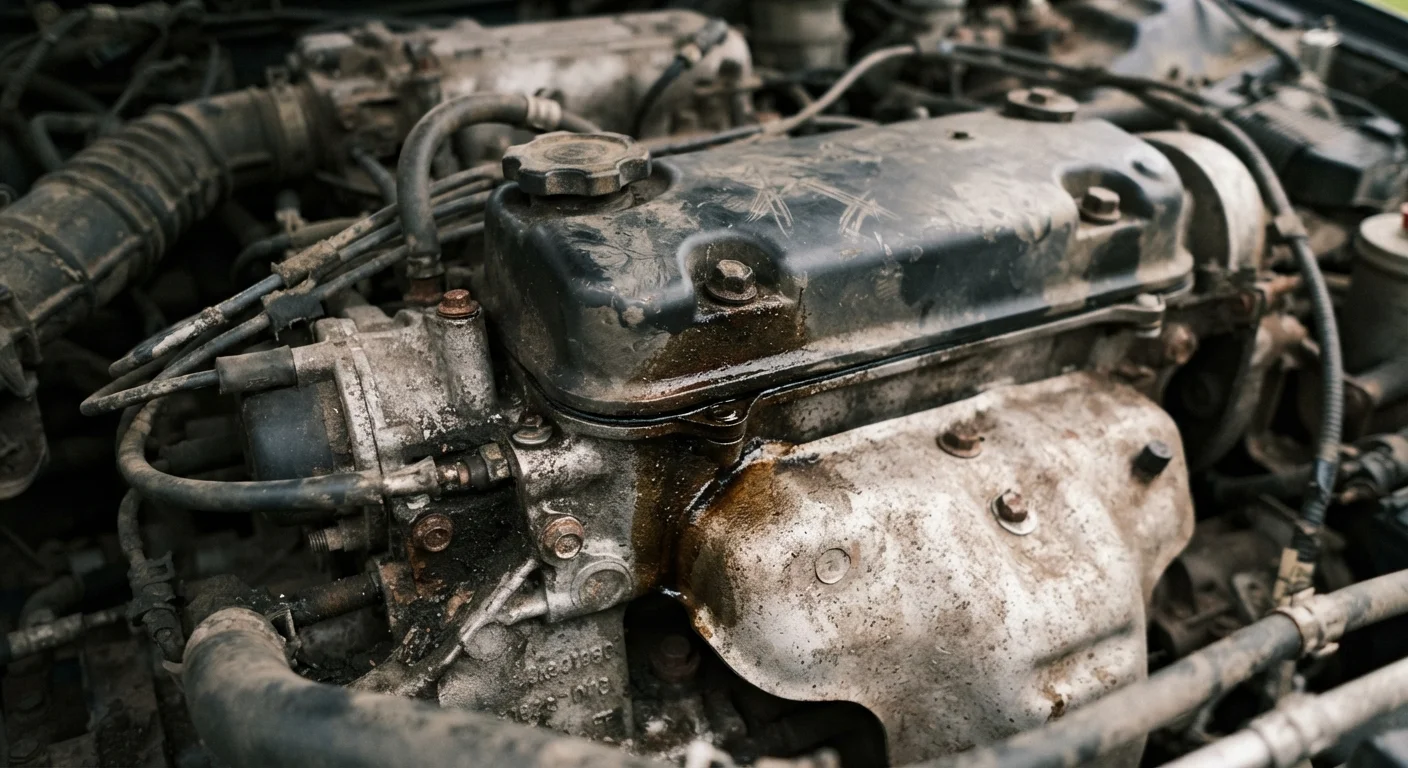
A slow coolant leak, for example, doesn't just mean a damp garage floor. Left unaddressed, it can lead to overheating, a warped cylinder head, and an engine rebuild that runs into the thousands. A worn brake pad dismissed as "still functional" can score the rotor beyond resurfacing, doubling or tripling the repair bill overnight. Understanding this compounding effect is the foundation of smarter car ownership. For a clear picture of which services matter most and when, see our guide to routine maintenance intervals.
~$1,200
Average cost of a neglected engine repair
Industry repair data consistently shows that engine-related failures stemming from oil or cooling neglect cost several times more than the maintenance that would have prevented them.
4x
Cost multiplier when brakes reach metal-on-metal wear
Replacing rotors in addition to brake pads - the result of delayed brake service - typically costs three to four times more than replacing pads alone at the recommended interval.
Common Mistakes That Turn Small Problems Into Major Bills
The mistakes below are not the result of carelessness so much as predictable human behavior - optimism, cost avoidance, and an incomplete understanding of how mechanical systems fail. Recognizing them is the practical first step toward avoiding them.
Ignoring warning lights until the car shows obvious symptoms.
Why it happens: Drivers assume a warning light without immediate performance changes means the issue isn't urgent. Many lights also stay on for days before anything feels wrong.
Skipping oil changes past the manufacturer's recommended interval.
Why it happens: Oil looks fine on the dipstick long after it has degraded chemically, so it's easy to misjudge how far past due you are. Extended intervals also get confused between conventional and synthetic oil schedules.
Dismissing minor fluid leaks as too small to matter.
Why it happens: A slow drip doesn't affect day-to-day driving, so it gets filed under "annoying but manageable." Topping off the reservoir feels like an adequate response.
Waiting until brake noise becomes grinding before scheduling service.
Why it happens: Brake squeal is common enough that drivers normalize it, especially on cold or damp mornings. The escalation from squeal to grind can feel gradual until it isn't.
Neglecting tire pressure and tread depth checks.
Why it happens: Tires lose pressure slowly and unevenly, so drivers often can't detect underinflation by sight. Tread wear also tends to feel normal right up until wet-road grip degrades significantly.
Don't Let Cost Anxiety Drive Bigger Decisions
One of the most common reasons drivers delay repairs is upfront cost - but deferring a $150 repair to avoid the expense often guarantees a $600-$1,500 bill within a few months. If cost is a genuine barrier, ask a shop about phased repair schedules or prioritization of safety-critical systems first. Avoiding the shop entirely is rarely the lower-cost path.
If your vehicle has crossed the 100,000-mile mark, these mistakes carry even higher stakes. Our article on keeping a high-mileage car running reliably outlines which systems to watch most closely at that stage.
Building a Maintenance Mindset That Saves Money
Catching problems early is a financial habit as much as a mechanical one. The same logic that applies to spending patterns that quietly erode savings applies here: small, repeated avoidances accumulate into a crisis that feels sudden but wasn't.
A few practical habits make a measurable difference:
- Do a monthly walk-around. Check tire pressure, look for fluid spots under the car, and listen for any new sounds during cold starts.
- Keep a simple maintenance log. Note the date, mileage, and service performed. Patterns become visible quickly.
- Act on warning lights promptly. Modern vehicles surface problems early - that early warning is a cost-saving opportunity, not an inconvenience.
- Get a second opinion on quotes. Knowing what a repair should cost prevents overpaying, but don't use price shopping as a reason to delay.
Not every task requires a professional. Our guide to DIY car care vs. taking it to a mechanic helps you figure out which jobs are safe to handle yourself and which ones genuinely need a trained technician.
This article is for general informational purposes only. For diagnosis of specific vehicle issues, consult a qualified, licensed mechanic.