

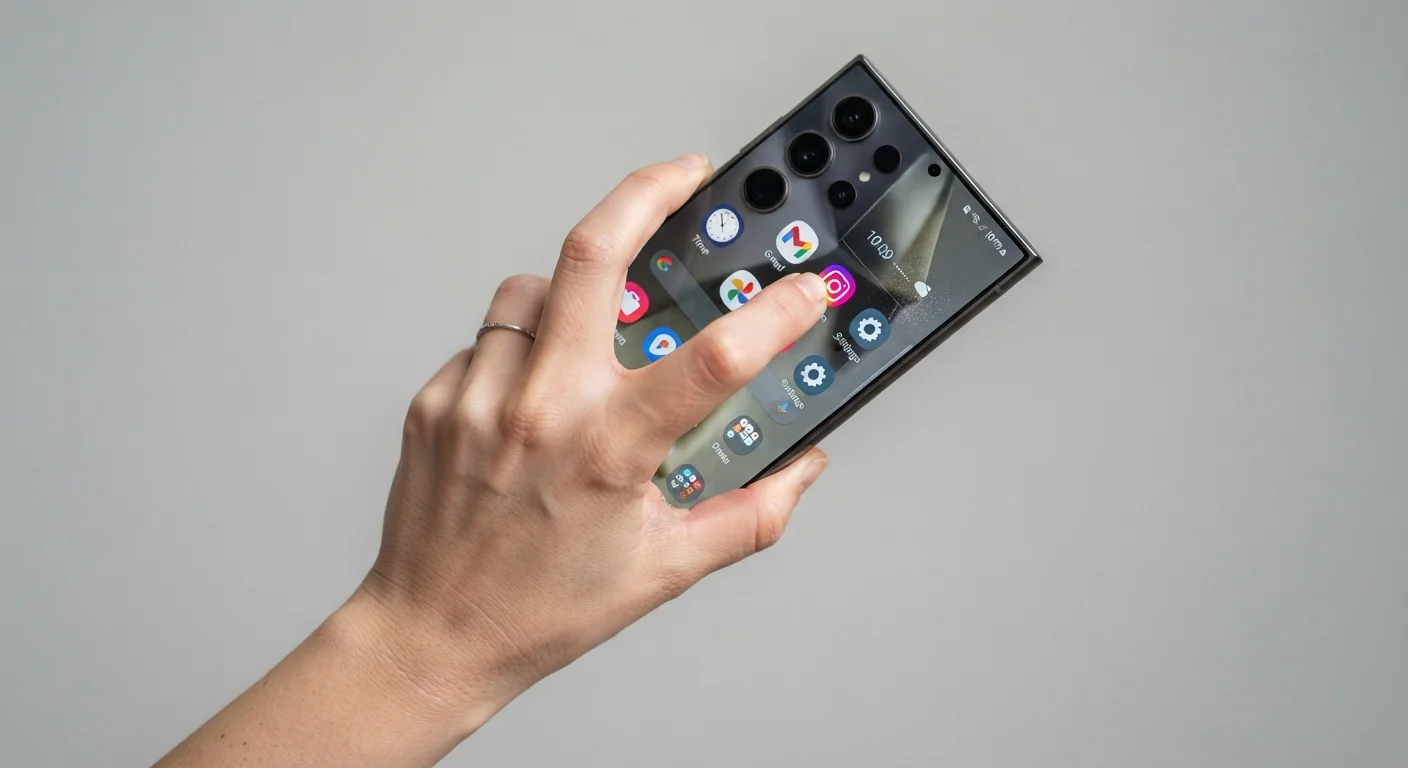
Key Takeaways
- Large-screen phones typically measure 6.5 inches or more diagonally and are noticeably wider than compact models.
- More screen real estate improves media, reading, and multitasking but reduces one-handed usability.
- Bigger devices generally house larger batteries, but added weight and bulk affect daily carry comfort.
- Screen size alone doesn't determine a phone's quality — it's one factor among many to weigh against your habits.
More comfortable for reading and long-form content
Larger text and wider layouts reduce the need to zoom or scroll constantly, making sustained reading noticeably less fatiguing on a 6.5-inch-plus display.
Better experience for video and media
Streaming video, video calls, and photo review all benefit from a larger canvas — content fills more of your visual field without requiring a separate device.
Bigger batteries are more common in large phones
The additional physical space inside a larger chassis typically accommodates a higher-capacity battery, which often translates to longer use between charges.
Easier typing on a wider keyboard
A wider screen allows for a more spacious on-screen keyboard, reducing typos and making longer messages or notes easier to compose without a hardware keyboard.
Split-screen multitasking becomes practical
Running two apps side by side is far more usable on a large display, allowing tasks like referencing a recipe while texting or reading notes while drafting an email.
One-handed use becomes difficult or impossible
The thumb's natural reach can't span a 6.7-inch screen without repositioning your grip, making routine tasks like reaching the notification bar genuinely awkward.
Pocketability is a real daily friction point
Many large phones don't fit comfortably in standard jeans pockets — particularly front pockets — and can create an obvious bulge or require repositioning when sitting.
Added weight becomes noticeable over a full day
Large phones often weigh 200 grams or more, which may seem minor until you've held the device for an extended call or carried it in a shirt pocket for several hours.
Cases and screen protectors cost more
Accessories for larger phones tend to carry a price premium, and the selection can be narrower than for more common mid-size models.
Higher drop-damage risk from the larger glass surface
A bigger screen means more area exposed to impact damage, and the wider form factor can make the phone harder to grip securely — especially with one hand.
Our Verdict
A large-screen phone delivers a genuinely better experience for people who watch video, read long-form content, or frequently type on their device. That same size, however, creates real friction for anyone who values compact carry, one-handed operation, or discreet pockets. Neither choice is objectively superior — the right screen size is the one that matches how you actually use your phone every day.
Best suited to users who primarily consume media, work on documents, or have larger hands and don't mind carrying a dedicated bag or jacket pocket for their device.
What Counts as a Large-Screen Phone?
Screen size is measured diagonally, corner to corner, across the display glass. Phones in the 6.5-inch-and-above range are broadly considered large-screen devices, though that threshold has shifted upward as the overall market has grown. A phone that felt enormous a few years ago may now sit in the mid-size category.
It's worth noting that screen size and physical phone size don't map perfectly. Manufacturers use different amounts of bezel — the border surrounding the screen — so two phones with identical display measurements can feel meaningfully different in the hand. When evaluating size, the phone's overall dimensions and weight matter as much as the diagonal number. If you're working through a broader purchase decision, our guide for first-time smartphone buyers covers how to read specs without getting lost in the numbers.
The Real Advantages of Going Bigger
A larger display isn't just about showing more — it changes how you interact with the device in ways that are hard to appreciate until you've lived with one.
More comfortable for reading and long-form content
Larger text and wider layouts reduce the need to zoom or scroll constantly, making sustained reading noticeably less fatiguing on a 6.5-inch-plus display.
Better experience for video and media
Streaming video, video calls, and photo review all benefit from a larger canvas — content fills more of your visual field without requiring a separate device.
Bigger batteries are more common in large phones
The additional physical space inside a larger chassis typically accommodates a higher-capacity battery, which often translates to longer use between charges.
Easier typing on a wider keyboard
A wider screen allows for a more spacious on-screen keyboard, reducing typos and making longer messages or notes easier to compose without a hardware keyboard.
Split-screen multitasking becomes practical
Running two apps side by side is far more usable on a large display, allowing tasks like referencing a recipe while texting or reading notes while drafting an email.
6.5"
Common threshold for large-screen phones
Industry analysts and device reviewers broadly classify phones at or above 6.5 inches diagonal as large-screen devices, though definitions vary by source.
~200g
Typical weight of a large-screen flagship
Many large flagship phones weigh between 200 and 230 grams, compared to roughly 140–170 grams for compact models in the same product families.
Multitasking features — like split-screen apps — also work more practically on a larger display. On a 6-inch screen, two side-by-side apps can feel cramped; on a 6.7-inch or larger screen, the same layout becomes genuinely usable. For anyone who frequently references one app while typing in another, this is a meaningful daily gain.
The Compromises You Should Expect
Every advantage of a large phone comes attached to a tradeoff. Understanding these before purchasing helps avoid buyer's remorse.
One-handed use becomes difficult or impossible
The thumb's natural reach can't span a 6.7-inch screen without repositioning your grip, making routine tasks like reaching the notification bar genuinely awkward.
Pocketability is a real daily friction point
Many large phones don't fit comfortably in standard jeans pockets — particularly front pockets — and can create an obvious bulge or require repositioning when sitting.
Added weight becomes noticeable over a full day
Large phones often weigh 200 grams or more, which may seem minor until you've held the device for an extended call or carried it in a shirt pocket for several hours.
Cases and screen protectors cost more
Accessories for larger phones tend to carry a price premium, and the selection can be narrower than for more common mid-size models.
Higher drop-damage risk from the larger glass surface
A bigger screen means more area exposed to impact damage, and the wider form factor can make the phone harder to grip securely — especially with one hand.
Durability exposure is also worth considering. A larger glass surface has more area that can crack on impact, and wider phones are more prone to flexing stress in back pockets. Cases that protect large phones tend to add even more bulk. For a broader look at how physical habits affect device longevity, see how long a smartphone should last.
Who Gets the Most From a Large Screen
The honest answer is that screen size preference is deeply personal and tied to specific use cases. A large-screen phone tends to deliver clear value when your primary activities include streaming video, reading articles or ebooks, editing photos, or working in productivity apps. People who spend long stretches staring at their phone — commuters, remote workers, frequent travelers — often find the extra display area reduces eye strain and the need to zoom.
Conversely, if your phone use is mostly calls, quick message checks, and occasional browsing, a large screen may add more inconvenience than benefit. The same logic applies if you frequently exercise with your phone, work in environments where a slim device is practical, or simply don't want to carry a separate bag.
Screen Size Is Just One Variable
When comparing phones, screen size often gets the most attention, but other specs — storage, camera capabilities, software support — shape the ownership experience just as meaningfully. Understanding how much storage you actually need is a practical next step once you've settled on a size range. No single specification determines whether a phone is the right fit for you.
If you're weighing whether a large phone might eventually replace a tablet for you, our tablet vs. laptop guide can help you think through where the lines between device categories actually fall.