

Key Takeaways
- Unlocked phones work with any compatible carrier, giving you full flexibility to switch networks.
- Carrier phones may come with software modifications, bloatware, or delayed software updates.
- Unlocked phones typically require full upfront payment, while carrier phones often spread costs over installment plans.
- Both types can support the same hardware specs — the difference is in software control and network commitment.
- Checking band compatibility is essential before using any phone on a new network.
Our Verdict
Unlocked phones offer the most flexibility for travelers, frequent switchers, and those who prefer clean software. Carrier phones can make premium hardware more accessible through installment plans, but often come with trade-offs in software control and long-term portability. Neither option is universally superior — the right choice depends on how you use your phone and how often you expect your situation to change.
| Best for | Recommended |
|---|---|
| Readers who travel internationally or switch carriers often | Unlocked phone |
| Those who want to spread hardware costs over time | Carrier phone with installment plan |
| Users who want the fastest, cleanest software updates | Unlocked phone |
| First-time buyers focused on ease of setup | Carrier phone |
What 'Unlocked' and 'Carrier' Actually Mean
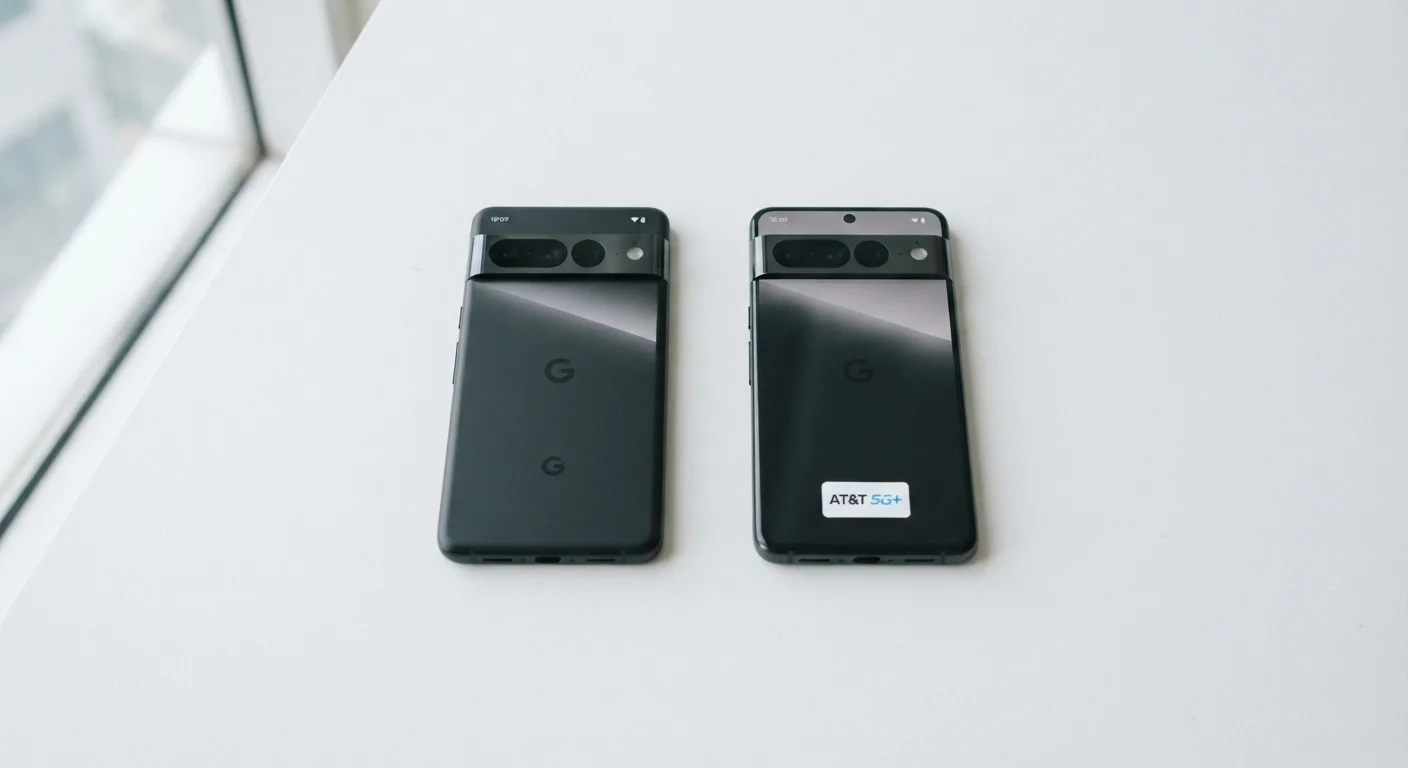
An unlocked phone is not tied to any specific wireless carrier. You can insert a SIM card from virtually any compatible network and it will function normally. An carrier phone (sometimes called a locked phone) is purchased through or configured for a specific carrier — think major US wireless providers — and is programmed to work only on that network, at least initially.
The physical hardware is often identical. A flagship Android device sold directly by a manufacturer and the same model sold through a carrier may share the same processor, camera, and display. What differs is the software layer on top and the terms attached to the purchase. If you're still deciding which platform to commit to, see how Android and iOS compare in everyday use before factoring in how you buy.
Software, Updates, and Bloatware
This is where the differences become most noticeable in day-to-day use. Carrier phones frequently arrive with pre-installed apps from the carrier — visual voicemail tools, carrier-branded navigation apps, or promotional software — that cannot always be uninstalled. These are commonly called bloatware.
Software update timelines also differ. Manufacturers push updates to unlocked devices directly. Carrier versions of the same phone must pass through the carrier's own testing and approval process before the update reaches your handset. This can add days or weeks of delay, and in some cases certain updates are held back entirely for carrier-specific builds.
Check the Source Before You Buy
Unlocked phones sold directly by the original manufacturer — rather than through a third-party retailer — tend to have the cleanest software and the most predictable update schedules. If you're new to the smartphone buying process, our guide for first-time smartphone buyers walks through every key decision in plain language.
Unlocked phones sold directly by the original manufacturer — rather than through a third-party retailer — tend to have the cleanest software and the most predictable update schedules.
Network Compatibility and Band Support
Not every unlocked phone works on every US carrier, even if it accepts a SIM. Networks operate on specific radio frequency bands, and a phone must support the right bands to access a carrier's full coverage — including 5G in many areas. An unlocked phone bought overseas, for instance, may lack certain bands used by domestic carriers.
Before purchasing any unlocked phone, it's worth checking the manufacturer's band specifications against your intended carrier's network requirements, which carriers publish on their websites. For a deeper look at when 5G band support actually matters in practice, see our breakdown of 5G's real-world impact.
| Unlocked Phone | Carrier Phone | |
|---|---|---|
| Network flexibility | Works with any compatible carrier | Locked to one carrier initially |
| Software updates | Direct from manufacturer | Carrier-reviewed, often delayed |
| Pre-installed apps | Minimal or none | Often includes carrier bloatware |
| Upfront cost | Full price typically required | Installment plans widely available |
| International SIM use | Generally straightforward | Usually blocked until carrier unlocks |
| Resale value | Broader appeal to buyers | Narrower appeal if still locked |
Cost Structures and Long-Term Flexibility
Carrier phones are frequently sold through installment plans — you pay a monthly amount for 24 to 36 months, often with the device remaining locked until the balance is paid. Some carriers bundle promotional trade-in credits that reduce the effective cost. These arrangements make high-end hardware accessible without a large upfront payment, but they anchor you to one carrier for the duration.
Unlocked phones generally require full payment upfront, though some manufacturers offer their own financing options. Once paid for, the device is yours outright with no network obligation. This matters significantly if you travel internationally and want to use local SIM cards, or if you want to resell the device later — unlocked phones typically retain broader resale appeal.
For a parallel look at how ownership versus commitment structures play out in another major purchase decision, the trade-offs in buying versus leasing a car follow a surprisingly similar logic. If you're weighing a secondhand unlocked device, review what to check before buying a used or refurbished phone before committing.