

Key Takeaways
- Fit matters more than price — a well-fitting affordable piece always outperforms an ill-fitting expensive one.
- Personal style is built on self-knowledge, not trend consumption or aspirational inspiration.
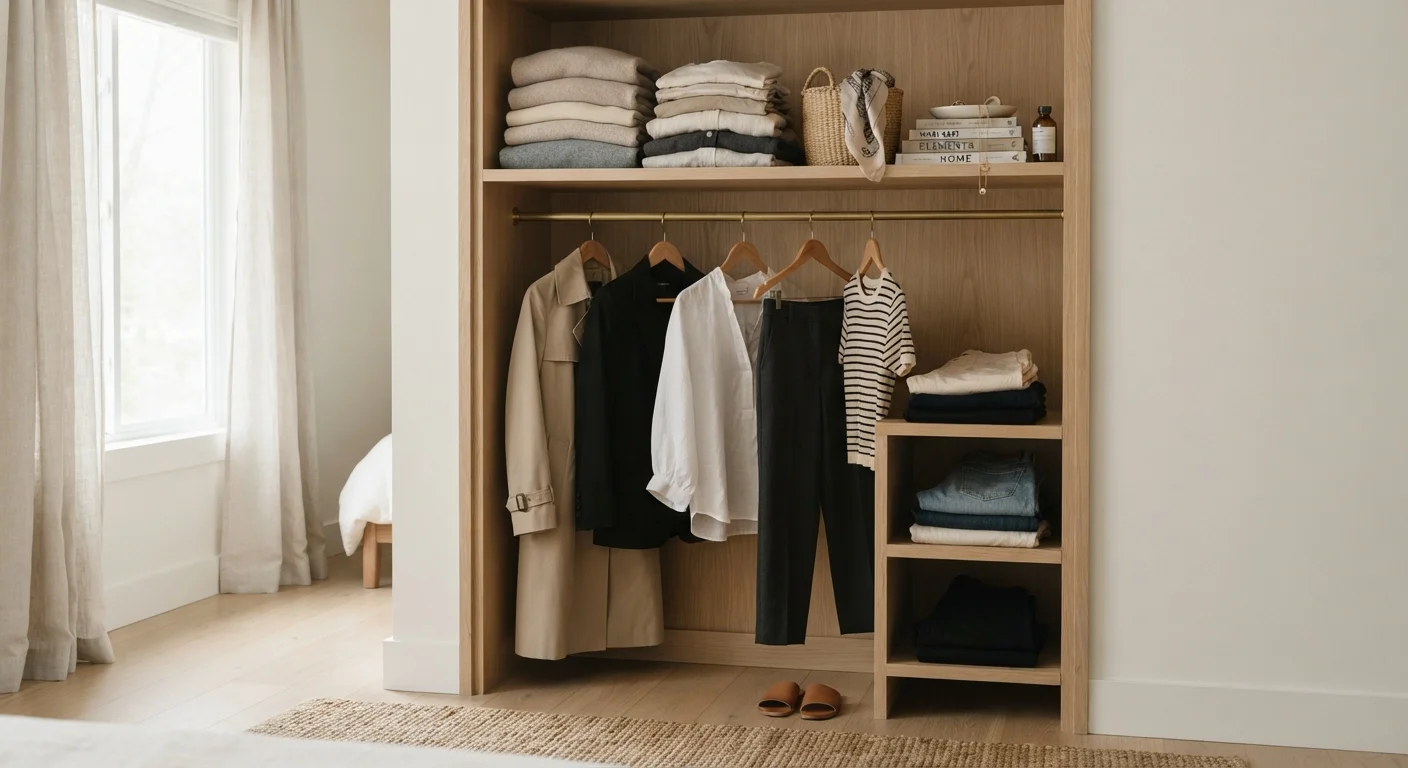
- A small wardrobe of cohesive pieces creates more outfit options than a large, mismatched one.
- Stylists prioritize versatility and repeatability over novelty when building a functional wardrobe.
- Confidence in how you dress comes from intentionality, not from spending more.
The Real Secret Stylists Work With
Spend five minutes with a professional stylist and one thing becomes clear: they're not chasing the latest runway moment or mentally calculating price tags. They're asking a different set of questions entirely — about your life, your proportions, your daily context, and what you already own. That shift in framing is what separates a wardrobe that works from a closet full of things you never quite reach for.
Most people assume great style is a money problem or a trend-knowledge problem. Stylists know it's neither. It's a clarity problem. Once you understand what you're actually building toward, the choices get dramatically easier — and far less expensive. If you're navigating this on a tight budget, the principles in budget fashion apply just as strongly here.
“Style is knowing who you are, what you want to say, and not giving a damn.”
— Gore Vidal, Author and cultural critic
The Core Practices Behind a Wardrobe That Actually Works
These aren't abstract ideals — they're the practical moves stylists make on every client, at every budget level. Work through them honestly and your wardrobe will follow.
Prioritize fit above every other variable.
Fit is the single factor that most directly communicates polish and intention. An ill-fitting piece — regardless of its price or label — reads as careless. Tailoring, even minor hemming or taking in a seam, transforms how a garment reads on a body.
Define your style in terms of feeling, not aesthetics.
When people describe their style goals purely visually ('I want to look chic'), they often chase images that don't translate to their actual life. Anchoring style to how you want to feel — capable, relaxed, creative — produces more consistent, wearable choices.
Build around a cohesive color palette of three to five tones.
A limited, intentional palette means nearly everything in your wardrobe works together, multiplying your actual outfit count without multiplying your spending. It also makes getting dressed faster and less stressful.
Identify your outfit formulas and repeat them deliberately.
Stylists often work with repeatable outfit structures — a fitted top, a straight-leg bottom, a third layer — rather than reinventing every look from scratch. These formulas bring consistency and reduce decision fatigue. Outfit formulas that work across every price point are especially valuable when working with a limited wardrobe.
Separate flattery goals from expression goals — and honor both.
Style advice historically collapses everything into 'what's most flattering,' but self-expression and visual flattery aren't always the same objective. Knowing which you're prioritizing in a given choice — and owning that decision — prevents the confusion that leads to regretted purchases. Explore the distinction further in dressing to flatter vs. dressing to express.
Stop Dressing for the Inspiration Board, Start Dressing for Your Life
One of the most consistent patterns stylists see: people build wardrobes for a life they imagine, not the one they live. That gorgeous structured blazer goes unworn because their actual Tuesdays involve school pickup and a laptop. The fix isn't to lower your standards — it's to align your style vision with your real daily context. Dressing for your lifestyle rather than your Pinterest board is one of the most grounding moves you can make.
The same logic applies to trends. Stylists don't ignore trends — they filter them ruthlessly. A trend that fits your existing wardrobe language and your actual lifestyle? Worth considering. A trend that requires a whole new ecosystem of pieces to make sense? Probably not worth the disruption. Understanding when trends work for you and when they work against you is a skill stylists spend years developing — and you can start today.
80%
Wardrobe items rarely or never worn
Wardrobe research and consumer surveys consistently suggest the majority of owned clothing sees very little rotation — underlining the case for intentional, selective building over volume buying.
3–5
Core palette tones for maximum versatility
Style educators and wardrobe consultants widely recommend limiting a foundational color palette to three to five tones to maximize mix-and-match potential without overcomplicating choices.
Start Making Smarter Moves Right Now
You don't need a stylist on retainer to apply these principles. A few targeted actions this week can shift the entire trajectory of your wardrobe. The goal of building a wardrobe that works across multiple occasions isn't to own more — it's to choose smarter from the start.
And if dressing well for professional settings feels like a separate challenge altogether, know that the same foundations apply — fit, cohesion, and intentionality go a long way. See dressing for a professional environment on a limited budget for a practical breakdown.