

Key Takeaways
- Versatility comes from choosing pieces that layer, mix, and transition across dress codes.
- Defining your real lifestyle needs before shopping prevents costly wardrobe mistakes.
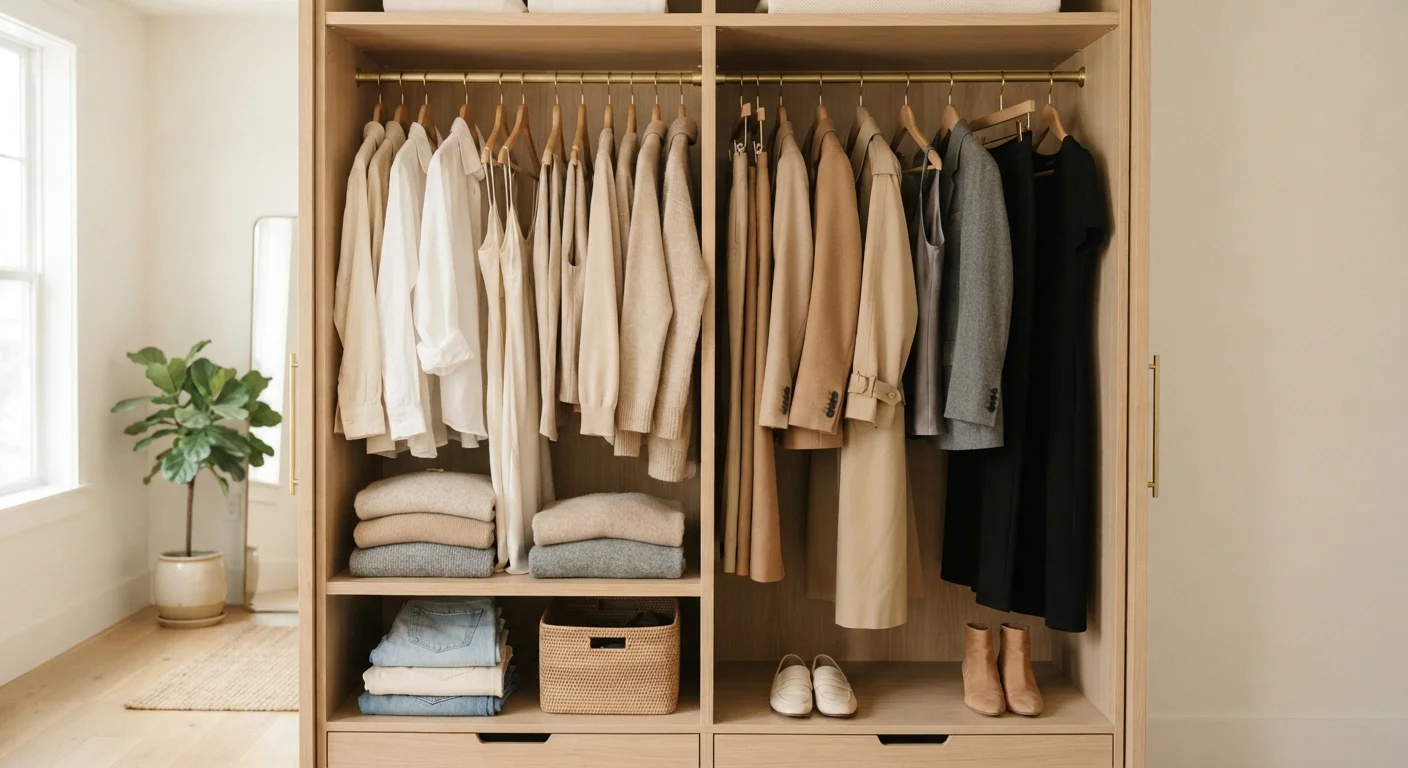
- A neutral color foundation dramatically multiplies the number of workable outfit combinations.
- Fit and fabric quality matter more than price when building pieces that last.
- A few strategic accent items can shift an outfit's formality without a full outfit change.
What you will need
Why Versatility Beats Volume
The idea that a bigger wardrobe means more outfit options is one of the most persistent myths in everyday dressing. In reality, an overfull closet packed with occasion-specific or trend-driven pieces often produces more decision fatigue — not more flexibility. A genuinely versatile wardrobe is built around a smaller number of carefully chosen pieces that coordinate broadly and transition between contexts without requiring a complete rethink.
This approach is especially powerful for anyone navigating a range of dress codes — professional settings, social events, casual weekends — without the budget or closet space for a completely separate wardrobe for each. Our budget fashion hub covers the full spectrum of strategies for looking polished at any spending level.
Full-length mirror
Essential for evaluating how pieces work together and how formality shifts with different combinations.
Wardrobe inventory list (paper or app)
Helps you map what you own, spot real gaps, and avoid duplicate purchases.
Clothing steamer or iron
Keeps pieces looking sharp and occasion-ready without expensive dry cleaning.
Neutral-toned hangers (matching set)
Standardizing hangers reduces visual clutter and makes outfit planning easier.
How to Build Your Multi-Occasion Wardrobe
The steps below walk you through a practical, repeatable process — from mapping your lifestyle to establishing outfit formulas that flex across dress codes. Work through them sequentially the first time; after that, the evaluation step (Step 6) keeps your wardrobe tuned as your life evolves.
What you will need
Map Your Real Life, Not Your Ideal Life
Start by listing every type of occasion you actually dress for in a typical month — not occasions you wish you had. Include work, errands, social dinners, weekend activities, and any recurring formal events. Assign a rough percentage to each category. This honest lifestyle map becomes your wardrobe's blueprint and prevents you from over-investing in categories that rarely apply to your actual days.
If you find the gap between your real routine and your wardrobe puzzling, dressing for your lifestyle rather than your inspiration board offers a practical framework to close it.
Build a Neutral Color Foundation
Select two or three base neutrals that genuinely suit your skin tone and that you enjoy wearing — common choices include navy, charcoal, camel, white, and off-black. Every foundational piece (trousers, blazers, skirts, basic tops) should sit within this palette. When every base piece coordinates with every other, your outfit-combination count multiplies dramatically without adding more items.
For a deeper look at how color choices affect wardrobe flexibility, color and pattern strategies that stretch a small wardrobe breaks down the math and the logic.
Identify Your Formality Bridge Pieces
Formality bridge pieces are garments that shift an outfit's occasion-level with minimal effort. A well-fitted blazer worn over a plain tee elevates a casual look. A simple midi dress with sneakers reads relaxed; with clean flats or low heels, it reads smart-casual or semi-formal. Identify three to five pieces in your wardrobe — or on your shopping list — that serve this bridging function. Prioritize these over highly occasion-specific items.
[important_callout]Build Reliable Outfit Formulas
Outfit formulas are repeatable combinations that consistently work — a structured trouser plus a tucked-in solid top plus a shoe with a modest heel, for example. Develop three to five personal formulas that cover your most common occasions. Once you trust the formula, getting dressed becomes a fill-in-the-blanks exercise rather than a daily puzzle. Outfit formulas that simplify daily dressing walks through how to build and use them effectively.
[tip_callout]Use Accessories and Layers to Shift Register
Once your core pieces are established, accessories and layering become your most cost-efficient levers. A silk scarf, a structured bag, or a clean leather belt can move an outfit from daytime errand to evening dinner without a full change. Similarly, layering a cardigan versus a blazer over the same outfit signals entirely different formality levels. Invest selectively in two or three quality accent pieces that interact well with your neutral base.
For special occasions where a statement piece is needed but regular use is unlikely, renting versus buying for one-time events is worth considering before you commit to purchasing.
Evaluate and Refine Regularly
A versatile wardrobe is a living system, not a one-time project. Every few months, put on each piece and ask honestly: does this still fit? Does it still serve at least two occasions in my real life? Does it coordinate with my current foundation? Pieces that fail these questions are candidates for donation, alteration, or replacement — and each exit makes room for something that genuinely earns its place. Keeping your wardrobe lean is what keeps it functional.
Building this habit pairs naturally with the capsule wardrobe approach, which emphasizes quality and intentionality over volume at every budget level.
Don't Shop the Gaps Before Auditing
Adding new pieces to an already-cluttered wardrobe rarely solves the 'nothing to wear' problem. Before purchasing anything, take stock of what you already own. You may discover versatile items buried under pieces that no longer serve you. Check out our wardrobe audit guide before spending a dollar.
If your current wardrobe situation leans more professional and you're working within a tight clothing budget, building a credible work wardrobe on a limited budget addresses that specific challenge directly. And if the broader question of how you want to dress — your style identity — is still taking shape, comparing signature style versus capsule wardrobe approaches can help clarify which philosophy fits your life best.