

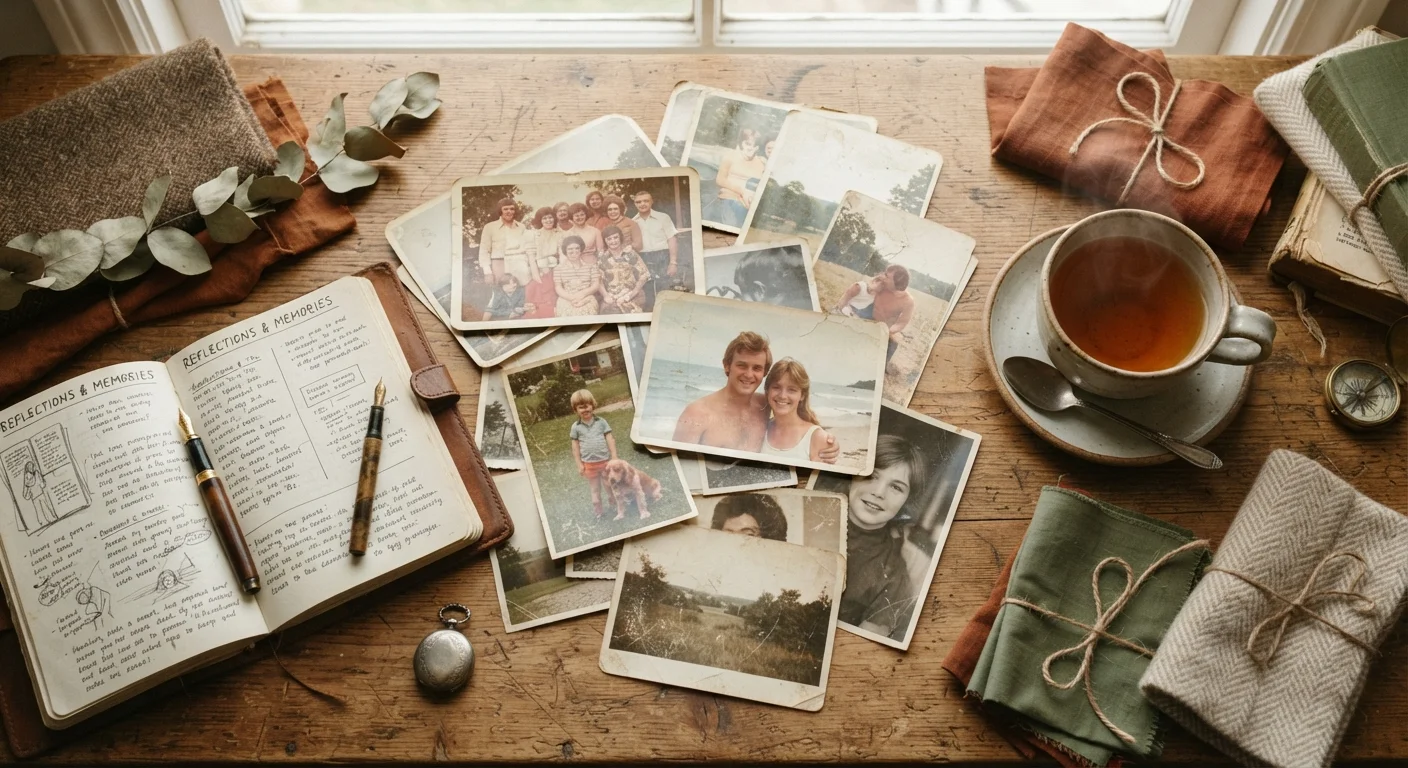
Key Takeaways
- Old photos and memories reveal recurring style patterns that reflect your genuine aesthetic.
- You don't need trends or a big budget to define a wardrobe identity — your history already holds clues.
- Noticing what you've consistently loved — not just worn — is the starting point for intentional dressing.
- This exercise helps reduce impulse purchases by clarifying what actually fits your personal style.
- Past style cues work best as inspiration, not a strict blueprint — adapt them to who you are today.
What you will need
Why Your Own History Is the Best Style Reference
Most style advice points outward — to runway trends, influencer feeds, or curated mood boards. But the most reliable map of your aesthetic has been in your possession all along. Your lived choices, made across years of real mornings and real decisions, reveal what you actually gravitate toward when no one is setting the agenda.
This isn't about freezing yourself in a past decade or mourning clothes you no longer own. It's a practical self-assessment tool. When you can see your own patterns clearly, you stop shopping reactively and start building a wardrobe with real intention — which, incidentally, tends to save money too. For a broader look at spending mindfully on style, the budget fashion hub is a solid companion resource.
Make It a Ritual, Not a Chore
Set aside a relaxed hour with good lighting and maybe your favorite playlist. Treat this as a creative self-discovery session, not a homework assignment. The more at ease you feel, the more honest your observations will be — and honesty is exactly what this exercise requires.
This exercise also pairs naturally with the next step in style self-discovery. Once you've identified your themes, the style audit can help you evaluate your current wardrobe against them — and figure out what, if anything, is actually missing.
What you will need
How to Mine Your Past for Authentic Style Cues
The steps below walk you through a structured self-review that turns old photos and memories into actionable insight. You'll need the tools listed below before you begin.
Photo archive (digital or printed)
Primary source of visual evidence for identifying recurring style patterns across time.
Notebook or notes app
Used to record color observations, silhouette preferences, and recurring themes as you review images.
Sticky notes or highlighters
Helpful for flagging specific photos or journal pages that spark the strongest positive reactions.
Gather your visual history
Pull together photos spanning as many years as you can access — school pictures, event snapshots, candid phone photos, even social media archives. The wider the time range, the more reliable the patterns you'll spot. Don't edit or curate at this stage; quantity and variety matter more than quality.
Look for recurring colors and silhouettes
Scan through your images and ask: What colors appear most often — and which ones show up on days that look candid and relaxed rather than formal or obligatory? Note whether you repeatedly reached for fitted or relaxed cuts, structured pieces or flowy ones. These recurring choices are your aesthetic fingerprint.
Identify your 'felt great' moments
Go beyond what you were wearing and pay attention to how you were carrying yourself. Upright posture, a genuine smile, relaxed body language — these are physical signals that an outfit was working for you. Make a short list of 5–10 photos where you look visibly at ease and note what you're wearing in each one.
Tap into memory, not just images
Some of your strongest style cues may not be captured in photos at all. Think back to a garment you wore until it fell apart, a color you always reached for without thinking, or a piece that strangers complimented repeatedly. Jot those down alongside your photo observations — lived memory is valid evidence.
Distill your findings into three to five themes
Review your notes and look for the words or descriptions that keep reappearing. Try to narrow them into three to five concise aesthetic themes — for example, relaxed earth tones, structured silhouettes, or playful color mixing. These themes become your personal style brief: a reference point for future wardrobe decisions that's rooted in evidence, not trend cycles.
Don't Confuse 'Worn' With 'Loved'
Many items in old photos were worn out of necessity, social pressure, or budget limits — not genuine preference. As you review your past, actively distinguish between outfits you felt good in versus ones you simply had on. Only the former are worth carrying forward as style signals.
This Is About Insight, Not Nostalgia
The goal of this exercise isn't to recreate a past era of your life or chase a younger version of yourself. It's to surface genuine aesthetic preferences that have persisted over time — preferences that are likely still true today. Use what you find as a compass, not a time machine.
When you've completed this process, you'll have a personal style brief grounded in your own evidence — not borrowed from a trend cycle or an aspirational persona that doesn't fit your daily life. For help closing that gap between inspiration and reality, dressing for your lifestyle offers practical next steps. And if you're ready to see this exercise as part of a bigger picture, the full personal style guide brings every phase of style development together in one place.