

Key Takeaways
- Outfit formulas are repeatable combinations that remove daily decision fatigue without sacrificing personal style.
- You only need 5–7 solid formulas to cover most occasions in your real, everyday life.
- The best formulas are built around pieces you already own and actually wear.
- Anchoring formulas in versatile basics makes them budget-friendly and easy to refresh over time.
- Personalizing each formula with one signature element — color, texture, or accessory — keeps looks feeling intentional.
What an Outfit Formula Actually Is
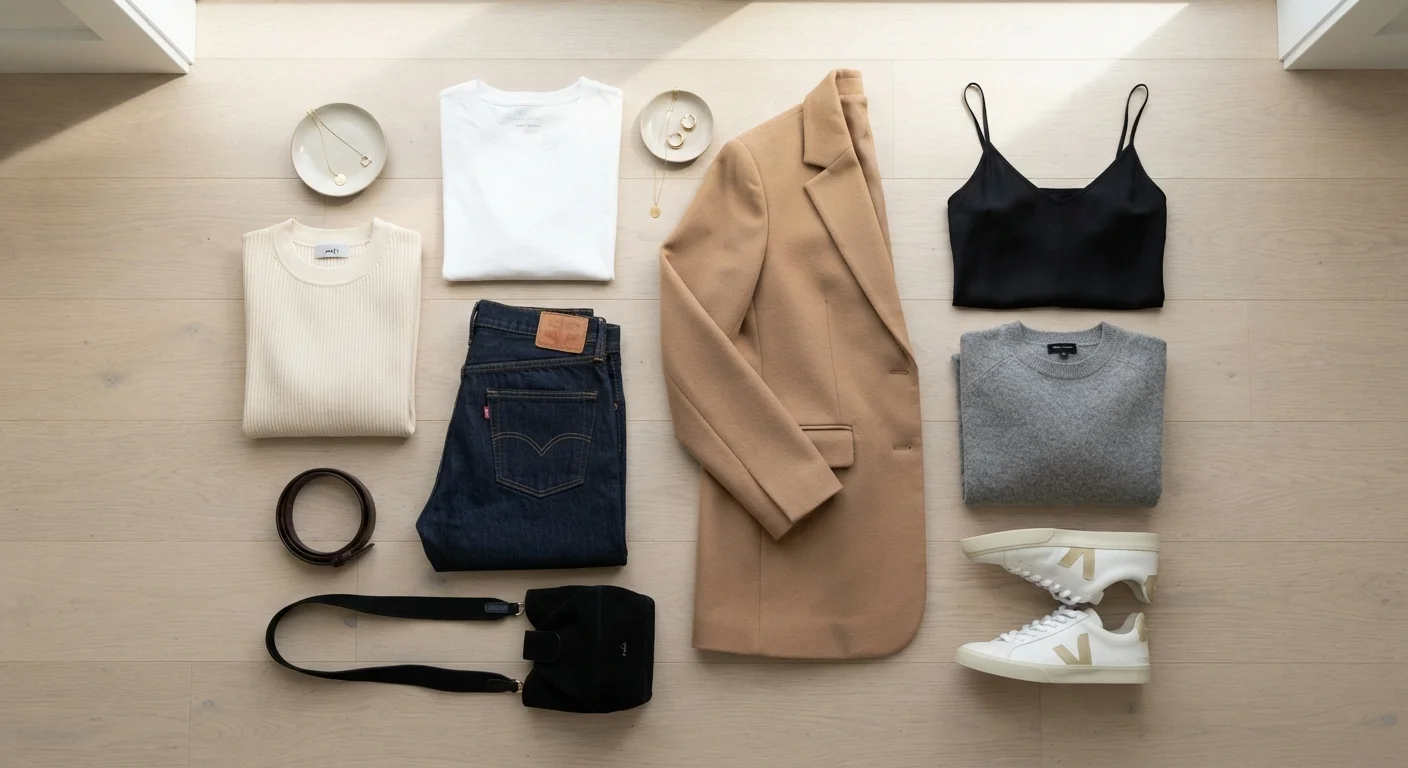
An outfit formula isn't a strict uniform — it's a repeatable structure. Think of it as a reliable equation: one bottom + one top + one layer + one shoe type. Once you know the equation, you just swap in different pieces each day. The result always works because the proportions, formality level, and overall vibe are already sorted out for you.
The concept is especially powerful for anyone who feels overwhelmed staring into a full closet every morning. According to behavioral research, reducing low-stakes decisions early in the day preserves mental energy for the choices that actually matter. Outfit formulas are a practical, zero-cost way to build that kind of structure. And if you're interested in shopping smarter to support this approach, our budget fashion hub is a solid starting point.
Formulas Work Best With What You Already Own
You don't need to go shopping to start using outfit formulas — in fact, the most effective approach is to build formulas around your current wardrobe first. Once you've identified what combinations genuinely work for your life, any future purchases can be evaluated against those formulas, making every dollar you spend more intentional. This connects naturally to broader financial awareness; for everyday decision-making tips, the Everyday Money Tips hub covers practical approaches beyond fashion too.
7 Outfit Formulas Worth Building Into Your Routine
The Classic Tuck-and-Trouser
A fitted or slightly relaxed top tucked into well-fitting trousers instantly looks put-together for almost any non-athletic setting. The tuck defines your waist and creates a clear visual break between top and bottom. Keep shoes simple — a low heel, loafer, or clean sneaker all work depending on the vibe. This formula thrives on neutral tops that can rotate in and out without disrupting the overall balance.
A clean tuck creates instant structure without requiring any special pieces.
Monochromatic Layering
Wearing tonal shades of one color — say, tan on tan or navy on navy — creates a visually lengthening, cohesive look that always reads as intentional. This formula is forgiving with fit because consistent color minimizes visual breaks. It also makes color and pattern strategies easier to apply — owning several shades of two or three core colors multiplies your outfit count quickly.
Tonal dressing makes any outfit look intentional with minimal effort.
Relaxed Jeans Plus a Structured Top
Pairing well-fitted, relaxed jeans with a structured blouse, button-down, or fitted knit creates an easy contrast in formality that feels effortlessly balanced. This formula works across a huge range of settings — from a casual Friday workplace to a weekend lunch. The key is keeping the jeans clean and well-maintained; worn-out denim shifts the whole formula toward too casual.
Relaxed denim and a structured top is one of fashion's most reliable balancing acts.
The Third-Piece Rule
Whatever your base outfit — jeans and a tee, a dress, trousers and a top — adding a third piece like a blazer, cardigan, denim jacket, or vest elevates it without extra complexity. The third piece signals effort and adds polish. It's also a practical layering tool for variable weather. This formula is particularly budget-friendly because one blazer or structured layer can rotate across many base combinations.
Adding one structured layer transforms a basic outfit into something that reads as polished.
Dress Plus Shoe Swap
A single versatile dress becomes multiple formulas based entirely on footwear. Ankle boots bring edge, sandals read casual and warm-weather easy, loafers lean preppy, and heels push the look into evening territory. This is one of the highest-leverage formulas for small wardrobes — one dress, four distinct contexts. Choose dresses in solid colors or subtle prints that don't fight with varied shoe options.
Changing your shoes is the fastest way to reframe any dress for a different occasion.
Athleisure With One Polished Anchor
Comfortable, athletic-inspired pieces work for many everyday situations when anchored by one intentionally polished element. A structured bag, a sharp pair of sunglasses, or a fitted blazer over joggers shifts the overall impression. This formula acknowledges real American life — comfort matters — while keeping the look deliberate rather than accidental.
One polished anchor elevates relaxed clothing from sloppy to intentionally casual.
Statement Piece, Quiet Everything Else
Build a formula around one expressive item — a bold-print blouse, a richly colored jacket, a distinctive skirt — and let everything else stay neutral and understated. This approach lets personality show without visual chaos. It's also a smart strategy for wearing statement pieces you love but aren't sure how to style: let the piece lead and support it quietly.
One statement piece plus quiet basics is a formula for looking confident without overthinking.
Write Your Formulas Down
It sounds simple, but keeping a short written list — or even a phone note with photos — of your personal outfit formulas makes them far easier to use under time pressure. When you know your formulas by name, getting dressed becomes a quick fill-in-the-blank exercise rather than a creative problem to solve from scratch each morning.
How to Build Your Own Formula Set
Start by looking backward, not forward. Scroll through photos of outfits you've worn and actually felt good in — those are your formulas in raw form. Reverse-engineer what made each one work: Was it the silhouette? The color balance? The layering? Once you can name the pattern, you can replicate it deliberately.
Aim to cover your most common contexts — work or errands, casual weekends, evenings out, and any specialty situations like outdoor events or business settings. That's typically 5–7 formulas, which is plenty. Our guide on building a wardrobe that works across multiple occasions walks through how to map pieces to different scenarios without buying more. And if your closet needs a strategic refresh, building a capsule wardrobe on a tight budget covers how to do it without overspending.
One important reality check: your formulas should reflect your actual life, not your aspirational one. If you rarely attend formal dinners, don't design your wardrobe around that scenario. Dressing for your lifestyle, not your Pinterest board explores exactly this tension — and how to close the gap between inspiration and what you'll realistically wear.