

Key Takeaways
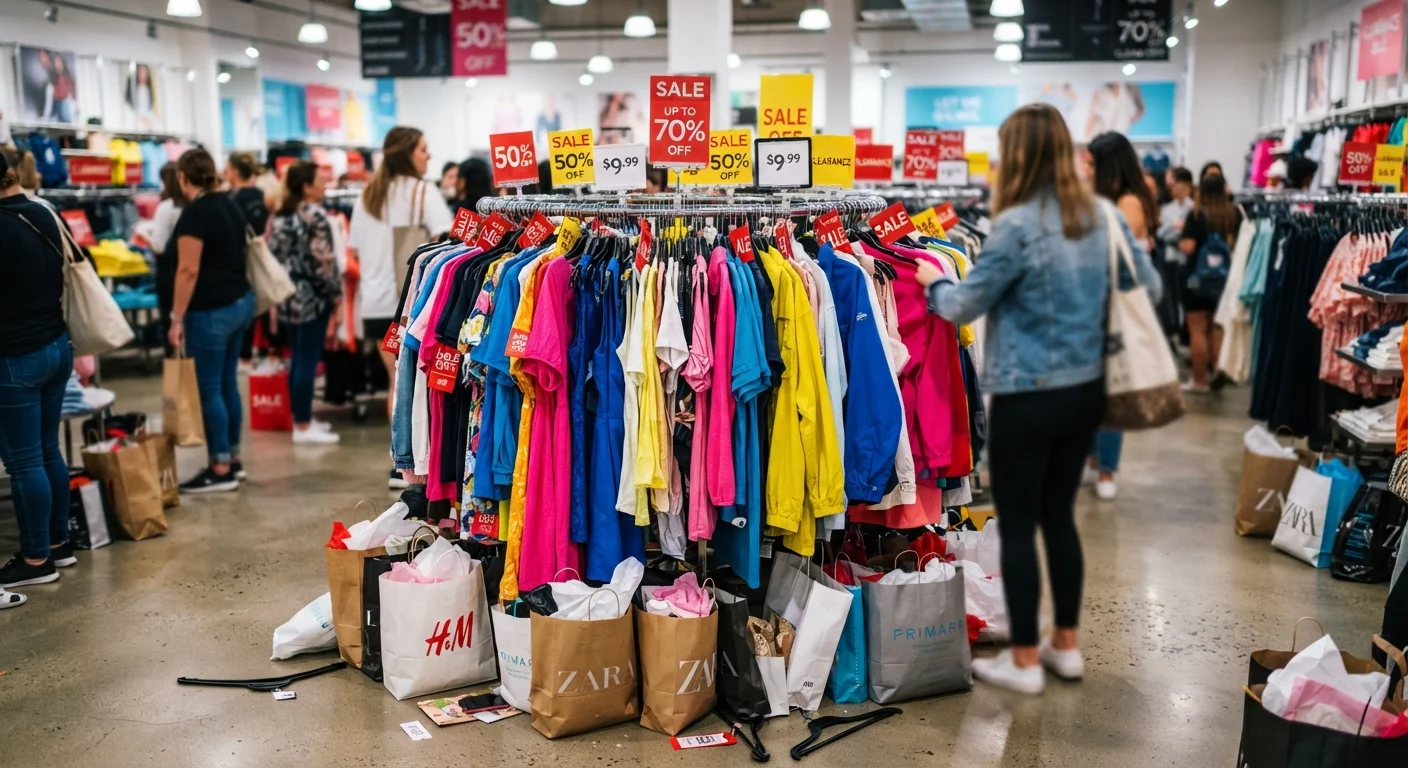
- A discount only saves money if you would have bought the item at full price anyway.
- Many wardrobe mistakes stem from shopping emotions rather than actual clothing gaps.
- Ignoring fit and fabric at the point of purchase leads to unworn clothes and wasted spending.
- Shopping without a plan makes sale events far more costly than browsing at regular prices.
- Cost-per-wear — not sticker price — is the most reliable measure of clothing value.
Why Budget Shoppers Still End Up Overspending
There's a frustrating paradox at the heart of budget fashion: the shoppers most motivated to save money are often the ones most vulnerable to spending traps. Sale alerts, clearance racks, and limited-time promotions are engineered to feel urgent, and when you're already primed to hunt for deals, the line between a smart find and an unnecessary purchase blurs fast.
The good news is that these patterns are entirely learnable — and once you can name them, you can sidestep them. The mistakes below aren't about poor judgment; they're about predictable psychological and structural traps that catch even experienced shoppers off guard. Understanding why they happen is the first step toward shopping with real intention. For a deeper look at the behavioral side of unplanned purchases, understanding impulse-buying psychology is worth a read before your next sale scroll.
Treating a discount as a reason to buy rather than a bonus on something already needed.
Why it happens: Sale framing shifts mental focus from "do I need this?" to "how much am I saving?" — a subtle but powerful reframe that retailers deliberately engineer.
Buying items that don't fit with the intention to alter or lose weight into them later.
Why it happens: At a low enough price, optimism feels affordable. The gap between "good enough" and "actually wearable" gets rationalized away at the register.
Shopping without a list and leaving with multiples of what you already own.
Why it happens: Without a clear picture of wardrobe gaps, shoppers default to familiar items — another black tee, another pair of leggings — because they feel like safe choices.
Chasing haul volume — buying more items at lower prices rather than fewer items you'll actually wear.
Why it happens: High-quantity, low-cost shopping feels productive and satisfying in the moment. The value metric shifts from usefulness to quantity, which retail environments actively encourage.
Ignoring total cost by overlooking shipping fees, return shipping charges, and subscription minimums.
Why it happens: The advertised price is front and center; add-on costs appear later in the checkout flow, after purchase intent is already locked in.
Shopping to manage emotions rather than fill genuine wardrobe needs.
Why it happens: Retail therapy is a well-documented pattern: stress, boredom, or a bad day can trigger browsing and buying as a mood regulation strategy, especially when sales make it feel harmless.
Building a Wardrobe That Actually Works for Your Budget
Avoiding these mistakes isn't about shopping less — it's about shopping with clarity. A few practical anchors make a measurable difference.
~$500
Estimated annual spend on unworn clothing per U.S. household
Research from various consumer behavior studies suggests American households leave hundreds of dollars in clothing unworn each year, often purchased on sale.
60–80%
Share of wardrobe items worn rarely or never
Wardrobe audit surveys consistently find that most people regularly wear only a fraction of the clothes they own, suggesting volume rarely equals utility.
Start with inventory, not a cart. Before any shopping trip or sale event, spend ten minutes reviewing what you already own. Note genuine gaps: a white shirt that's worn through, work trousers that no longer fit, a missing layer for cold-weather commutes. A list rooted in real need acts as a natural filter against impulse additions.
Use cost-per-wear as your benchmark. A $15 top worn twice costs more per use than a $45 one worn forty times. The cost-per-wear principle reframes value in a way that sticker prices simply can't.
Know what you're actually buying. Fabric content affects durability and care costs significantly. Decoding fabric labels before you buy can prevent expensive disappointments down the line.
Time purchases strategically. Shopping off-season regularly yields deeper, more predictable discounts than reacting to flash sales. And if something doesn't fit quite right off the rack, a small tailoring fix can extend the life and wearability of an otherwise great find.
For habits that make all of this feel sustainable rather than restrictive, shopping with intentional habits offers practical, repeatable routines built for real life.
Clearance Doesn't Mean Returnable
Many clearance and final-sale items come with strict no-return policies that aren't prominently displayed. If the fit or quality turns out to be off, you're stuck with the purchase. Always check return policy details before buying discounted items, especially online, where you can't assess fit or fabric in person.