
Wearable Wellness Devices: Fitness Trackers, HRV Monitors, and What They Measure

Key Takeaways
- Wearables measure proxies for health, not health itself - no consumer device diagnoses a condition.
- Heart rate variability (HRV) reflects autonomic nervous system balance and is used as a recovery indicator.
- Step counts and active minutes are among the most reliably measured metrics across devices.
- Sleep staging from wrist-based wearables is an estimate, not a clinical assessment.
- Trends over time are more meaningful than any single data point from a wearable.
- Always consult a healthcare professional if a reading concerns you - wearables are not diagnostic tools.
Wearable Wellness Device
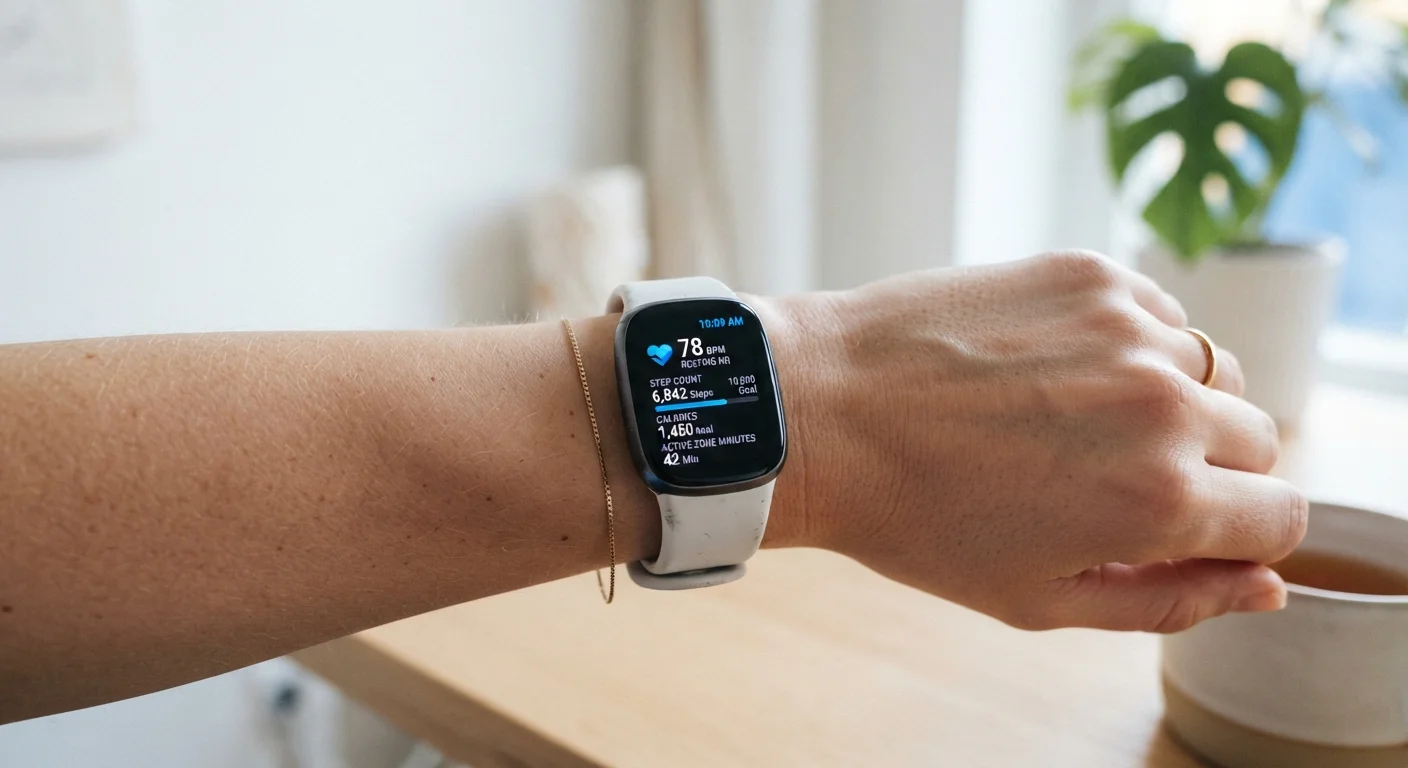
A wearable wellness device is an electronic gadget - typically worn on the wrist, finger, or chest - that continuously or periodically tracks physiological signals from the body. Common examples include fitness trackers, smartwatches with health features, and heart rate variability (HRV) monitors. These devices convert raw sensor data into metrics like step counts, heart rate, sleep stages, and stress scores, which are then displayed in an accompanying app.
Most consumer wearables use photoplethysmography (PPG) - a light-based sensor - to estimate heart rate and related metrics. Accuracy varies significantly by device, placement, skin tone, and activity type.
What Wearables Actually Measure
Wearable wellness devices do not measure health directly. Instead, they capture physiological signals - light reflected off blood vessels, electrical impulses, movement from accelerometers - and convert those signals into readable metrics. Understanding the difference between the raw signal and the interpreted metric is key to using these devices wisely.
The most commonly tracked metrics include:
- Steps and active minutes: Counted via accelerometer. Among the most reliable metrics wearables produce.
- Heart rate: Estimated using PPG (photoplethysmography), which shines light into the skin and measures blood flow changes. Reasonably accurate at rest; less so during high-intensity or irregular movement.
- Heart rate variability (HRV): The millisecond variation between heartbeats. Used as an indicator of recovery and autonomic nervous system balance.
- Sleep duration and staging: Inferred from movement and heart rate patterns. Broad accuracy is reasonable; granular stage estimates are less reliable.
- Blood oxygen saturation (SpO2): Estimates the percentage of oxygenated hemoglobin in the blood. Consumer-grade accuracy varies and these readings are not diagnostic.
- Stress scores: Typically derived from HRV patterns and presented as a composite score. These are proprietary calculations that differ across manufacturers.
Wearables Are Not Medical Devices
Consumer fitness trackers and HRV monitors are classified as general wellness products, not FDA-regulated medical devices (with limited exceptions, such as certain ECG features). This distinction matters: it means accuracy standards and validation requirements are different from those applied to clinical instruments. Treat wearable readings as informational, not diagnostic.
For a broader look at how wearables fit into the larger wellness product landscape, see our guide on what wellness products actually are.
HRV Monitors: What the Research Says
Heart rate variability has attracted significant scientific attention as a non-invasive window into autonomic nervous system function. A higher HRV generally suggests the body is in a parasympathetic (rest-and-digest) state and recovering well. A lower HRV can reflect physical stress, poor sleep, illness, or overtraining.
HRV is highly individual - your baseline is personal, shaped by age, fitness level, genetics, and lifestyle. This means comparing your HRV number to population averages is far less useful than tracking your own trend over time. Most dedicated HRV monitors prompt users to measure first thing in the morning, before any activity, to establish a consistent baseline.
“Wearable devices are powerful for building self-awareness about lifestyle patterns, but consumers should understand they are wellness tools, not medical instruments. The value lies in long-term trends, not in any single data point.”
— Digital Health Research Community, Consensus position reflected in peer-reviewed reviews of consumer wearable accuracy
Consumer HRV data is most informative when used to track personal trends across weeks, not as a daily diagnostic number to react to in isolation.
Limitations Worth Knowing Before You Buy
Wearables are genuinely useful tools for building self-awareness around movement, sleep, and recovery patterns. But several limitations are worth understanding:
- Accuracy gaps: Optical heart rate sensors are less accurate during exercise, especially cycling or weight training. Skin tone and tattoos can affect PPG readings.
- Calorie estimates: Research has found substantial error rates in energy expenditure estimates - sometimes exceeding 30-40% - making these figures unreliable for precise tracking.
- Sleep staging: Consumer devices cannot match the accuracy of clinical polysomnography (a sleep study). They may misclassify stages, particularly light vs. deep sleep.
- Proprietary algorithms: Scores for stress, readiness, and recovery are calculated differently across manufacturers and are rarely independently validated.
- The data ≠ diagnosis: No consumer wearable can diagnose a health condition. If a device flags something unusual - such as an irregular heart rhythm - treat it as a prompt to speak with a clinician, not a diagnosis.
For a thoughtful look at when tracking helps and when it gets in the way, see our piece on the upsides and drawbacks of wellness tracking.
Build a Personal Baseline First
Before acting on any wearable metric, spend two to four weeks simply observing your data without making changes. This establishes your personal normal ranges for HRV, resting heart rate, and sleep duration. Deviations from your own baseline are far more meaningful than comparisons to population averages shown in the app.
How to Use Wearable Data Sensibly
The most practical way to use a wearable is to treat it as a pattern-recognition tool rather than a report card. A few principles that tend to hold across device types:
- Look at trends, not single readings. One night of low HRV or poor sleep staging means little. A consistent shift over two weeks is worth paying attention to.
- Pair data with how you feel. If your device says you slept well but you feel exhausted, trust your body. Wearable data is one input, not the final word.
- Use movement metrics as motivation. Step counts and active minutes are reliable enough to serve as useful targets for building daily activity. This pairs well with the evidence on walking and everyday movement.
- Don't over-optimize. Obsessing over daily scores can increase anxiety rather than improve health. Wearables work best as awareness tools, not sources of constant performance pressure.
If you prefer a low-tech approach to self-monitoring, a weekly wellness self-audit can offer similar insight without any device at all.
This article is for general informational and educational purposes only and does not constitute medical advice. If you have concerns about a health metric or symptom, please consult a qualified healthcare professional.