

Key Takeaways
- Buying clothes without a clear style identity leads to a closet full of items that never get worn.
- Poor fit is the single most common reason otherwise good pieces go unworn.
- Chasing trends without a personal filter drains budgets and creates confusion, not cohesion.
- Emotional and impulse shopping produces pieces that feel exciting at purchase but orphaned at home.
- A wardrobe that works starts with intentional habits, not more spending.
Why Good Intentions Produce Frustrating Closets
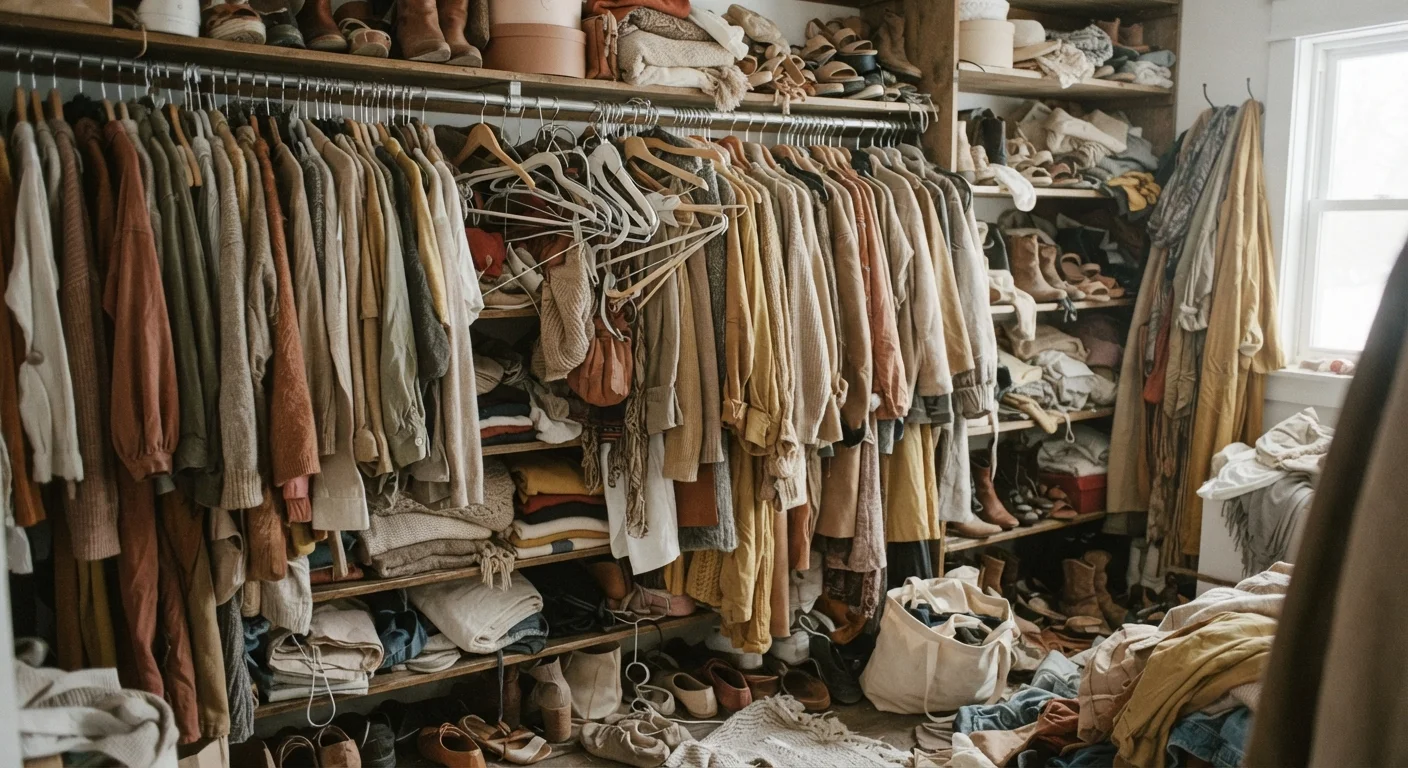
Most people don't set out to build a wardrobe that disappoints them. They shop with genuine enthusiasm, respond to good prices, follow a little inspiration from what's trending — and still end up staring at a packed closet feeling like they have nothing to wear. That gap between intention and result is almost always driven by a handful of repeatable habits, not bad taste or inadequate budget.
The encouraging news: habits can be changed. Understanding why these patterns happen is the first step toward dressing with more confidence and less waste. For readers already thinking about the money side of this problem, budget fashion principles offer a practical framework for spending with more intention.
~50%
Clothes never or rarely worn after purchase
Multiple closet and consumer behavior studies consistently estimate that roughly half of clothing owned goes largely unworn, pointing to a widespread gap between buying intent and actual use.
3x
Cost-per-wear difference: well-fit vs. ill-fit items
Style researchers and wardrobe consultants frequently note that garments worn regularly deliver dramatically better cost-per-wear value than cheaper items that sit unused.
The Most Common Style-Sabotaging Habits — and How to Break Them
These aren't obscure mistakes. They're the everyday patterns that quietly drain both your budget and your confidence — often without feeling like mistakes at all in the moment.
Shopping without a defined style identity — buying whatever feels exciting in the moment rather than what coheres with the rest of your wardrobe.
Why it happens: Without a clear picture of your personal aesthetic, every shiny item feels like a possibility. Stores and online feeds are designed to inspire impulse, not intention.
Ignoring fit and assuming a piece just 'isn't for you' when the real issue is sizing or cut.
Why it happens: Clothing sizes vary wildly across manufacturers, and most people aren't taught to think about alterations as a normal part of dressing.
Buying trend pieces impulsively without considering whether they align with your actual lifestyle or existing wardrobe.
Why it happens: Trends get saturated visibility on social media and in stores, creating a sense that you're missing out if you don't participate.
Never editing the wardrobe — holding onto items that no longer fit, suit your style, or serve any occasion.
Why it happens: Letting go feels wasteful, and clutter builds gradually. Many people avoid the task because it feels overwhelming.
Treating the wardrobe as a collection of individual pieces rather than a coordinated system.
Why it happens: Shopping is usually done item by item, making it easy to lose sight of how each piece integrates with the whole.
Fit Matters More Than Price
A $15 top that fits well will always look more polished than a $100 blouse that doesn't. Before you write off a piece as unwearable, ask whether the issue is the garment itself or the fit. Basic alterations — hemming, taking in a seam — are often inexpensive and can transform how an item looks and feels on your body.
Breaking these habits doesn't require a wardrobe overhaul or a bigger budget. It requires a clearer decision-making process before, during, and after each purchase. The intentional shopping habits covered elsewhere on this site apply directly to fashion decisions and are worth bookmarking.
Sale Prices Can Disguise Poor Decisions
Discounts make it easy to justify purchases that don't actually fit your wardrobe or lifestyle. A heavily marked-down item you never wear still costs whatever you paid for it. Before adding something to your cart because of the price tag, ask whether you'd want it at full price — if not, it's likely a trap. For a deeper look at this pattern, see how sale traps drain fashion budgets.
Building a Wardrobe That Actually Works
A wardrobe that feels right isn't the result of spending more — it's the result of choosing better. That means knowing your aesthetic before you enter a store (physical or digital), prioritizing fit above all else, and treating your existing wardrobe as a living system rather than a growing archive.
Small shifts compound quickly. Removing five items that never get worn creates more clarity than adding ten new ones. Identifying two or three core colors or silhouettes you return to again and again reduces decision fatigue and helps new pieces integrate naturally. And being honest about your actual lifestyle — not your aspirational one — means you stop buying for occasions that never come.
If your spending patterns tend to work against your goals more broadly, it's worth examining spending patterns that undermine savings — the psychology behind fashion impulse buys often mirrors wider financial habits. Style confidence is built one deliberate choice at a time, and it's available at any price point.