

Key Takeaways
- Cold water and gentle cycles reduce fiber breakdown in budget fabrics significantly.
- Air-drying instead of machine-drying is the single biggest lifespan extender for inexpensive clothes.
- Turning garments inside out before washing protects surface color and texture.
- Proper folding and storage prevent stretched-out shapes and unwanted creases.
- Spot-treating stains immediately prevents permanent damage that shortens a garment's useful life.
What you will need
Why Budget Fabrics Need Extra Care
Inexpensive garments are typically made with lower thread counts, looser weaves, and synthetic blends that trade durability for low cost. That doesn't make them bad purchases — it just means they respond more dramatically to how you treat them. The same shirt that falls apart after 20 careless washes can easily last two or three times longer with a few deliberate habits.
If you're building a wardrobe with a limited budget, getting more mileage from each piece is essentially the same as getting a discount on your next purchase. For a deeper look at how this math works, the cost-per-wear principle is a useful framework that reframes every clothing decision around long-term value rather than sticker price.
Mesh laundry bags
Protect delicate and lightweight garments from friction and snagging during machine washing.
Freestanding drying rack
Allows garments to air-dry flat or hanging without a dryer, reducing heat damage.
Mild or delicate laundry detergent
Cleans fabric effectively without harsh chemicals that degrade budget fibers.
Stain remover pen or dish soap
Lifts fresh stains quickly before they set into the fabric.
Fabric shaver (lint remover)
Removes pilling from synthetic and blended fabrics to restore a smooth, newer appearance.
Step-by-Step Garment Care Instructions
These steps apply to the vast majority of everyday budget garments — casual tops, pants, knitwear, and synthetic blends. Always defer to the care label for anything structured, embellished, or labeled dry-clean only.
What you will need
Read the Care Label Before Anything Else
That small tag sewn into the seam is your garment's owner's manual. Care symbols tell you the maximum safe wash temperature, whether the item can go in a dryer, and if hand-washing is required. Budget fabrics — think thin polyester blends, rayon, or low-thread-count cotton — are especially sensitive to heat and agitation, so following the label's guidance isn't just a suggestion.
Sort Clothes by Fabric Weight, Not Just Color
Most people sort laundry by darks, lights, and whites — but for budget pieces, fabric weight matters just as much. Washing a flimsy rayon blouse with heavy denim creates friction that pills and degrades lighter fabrics fast. Group lightweight synthetics and delicates together, and wash heavier cotton items separately.
Turn Garments Inside Out and Use a Mesh Laundry Bag
Before loading the machine, flip each item inside out. This protects the outer surface — the part people actually see — from friction against other clothes and the drum. For especially delicate pieces, place them inside a mesh laundry bag (an inexpensive but highly effective tool) to reduce mechanical stress further.
Wash on Cold with a Gentle, Low-Suds Detergent
Hot water breaks down synthetic fibers and causes natural fibers like cotton to shrink. Cold water cleans effectively for everyday soil and is dramatically gentler on fabric structure. Choose a detergent labeled for delicates or sensitive fabrics — high-suds formulas can leave residue that stiffens cheaper textiles over time. Use a gentle or delicate machine cycle whenever in doubt.
Spot-Treat Stains Immediately Instead of Scrubbing
Fresh stains are far easier to lift than set-in ones. Apply a small amount of mild dish soap or a dedicated stain remover directly to the spot and let it sit for five to ten minutes before washing. Blot — never rub — to avoid spreading the stain or damaging the fabric weave. Budget materials often have looser weaves that unravel easily under vigorous scrubbing.
Air-Dry Whenever Possible
This is the single most impactful habit you can build. Machine dryers subject fabric to repeated heat and tumbling that accelerates fiber breakdown — that lint you see in the trap is literally your clothes disintegrating. Hang or lay items flat to dry at room temperature. If you must use a dryer, select the lowest heat setting and remove clothes while still slightly damp to finish air-drying.
Store Clothes Properly to Maintain Their Shape
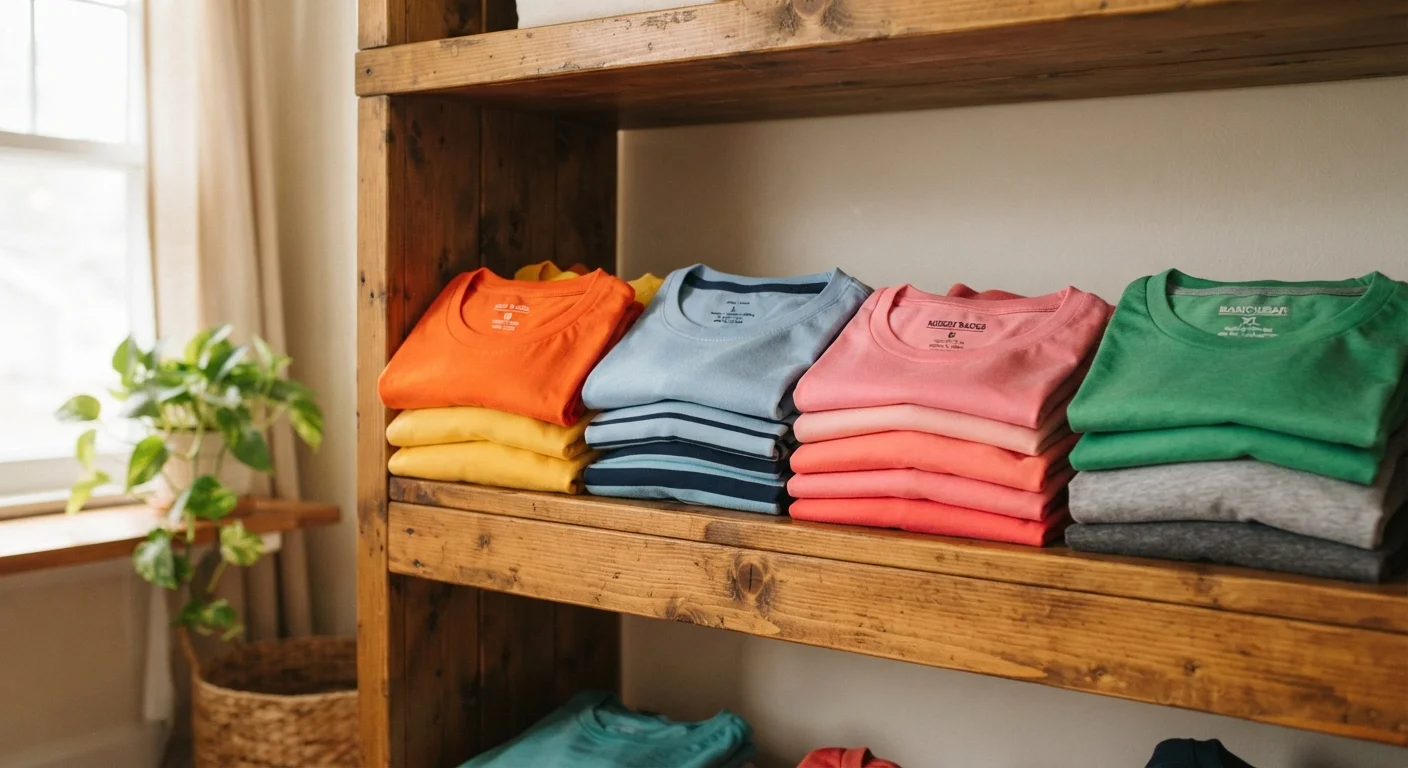
How you store clothes between wears matters as much as how you wash them. Knits and stretch fabrics should be folded, not hung — hanging stretches them out at the shoulders over time. Reserve hangers for structured pieces like button-downs and blazers. Keep folded items loosely stacked so air can circulate, which prevents mildew and fabric breakdown in humid climates.
Wash Less Often to Extend Wear
Not every garment needs washing after a single wear. Denim, structured layers, and lightly worn tops can often be aired out and worn again. Reducing wash frequency is one of the easiest ways to slow fiber breakdown — and it cuts your energy bill at the same time.
Making Your Care Routine Stick
Good laundry habits are most effective when they become automatic rather than occasional. Set up a drying rack in a permanent spot, keep mesh bags clipped to your hamper, and store your stain remover next to the washer so it's visible the moment you need it. Small friction-reducing setups make it far more likely you'll follow through consistently.
These care habits pair especially well with a thoughtful wardrobe strategy. If you're working on building versatile pieces that earn their keep over time, our guide to building a capsule wardrobe on a tight budget is a natural next step. And when a garment starts showing wear but still has life in it, budget alterations can restore its polished appearance without replacing it entirely.
Don't Ignore Pilling — Address It Early
Pilling (those small fuzzy balls that form on fabric surfaces) is a sign of fiber friction and breakdown. Left unaddressed, it worsens and makes clothes look worn out far sooner than necessary. A fabric shaver can restore the surface of pilled synthetic blends and extend the garment's presentable life by months.
Heat Is the Enemy of Budget Fabrics
Synthetic blends — polyester, rayon, acrylic — are especially vulnerable to heat damage in both the washer and dryer. High temperatures cause fibers to melt slightly, permanently changing texture and fit. When in doubt, always choose the coolest setting available.