

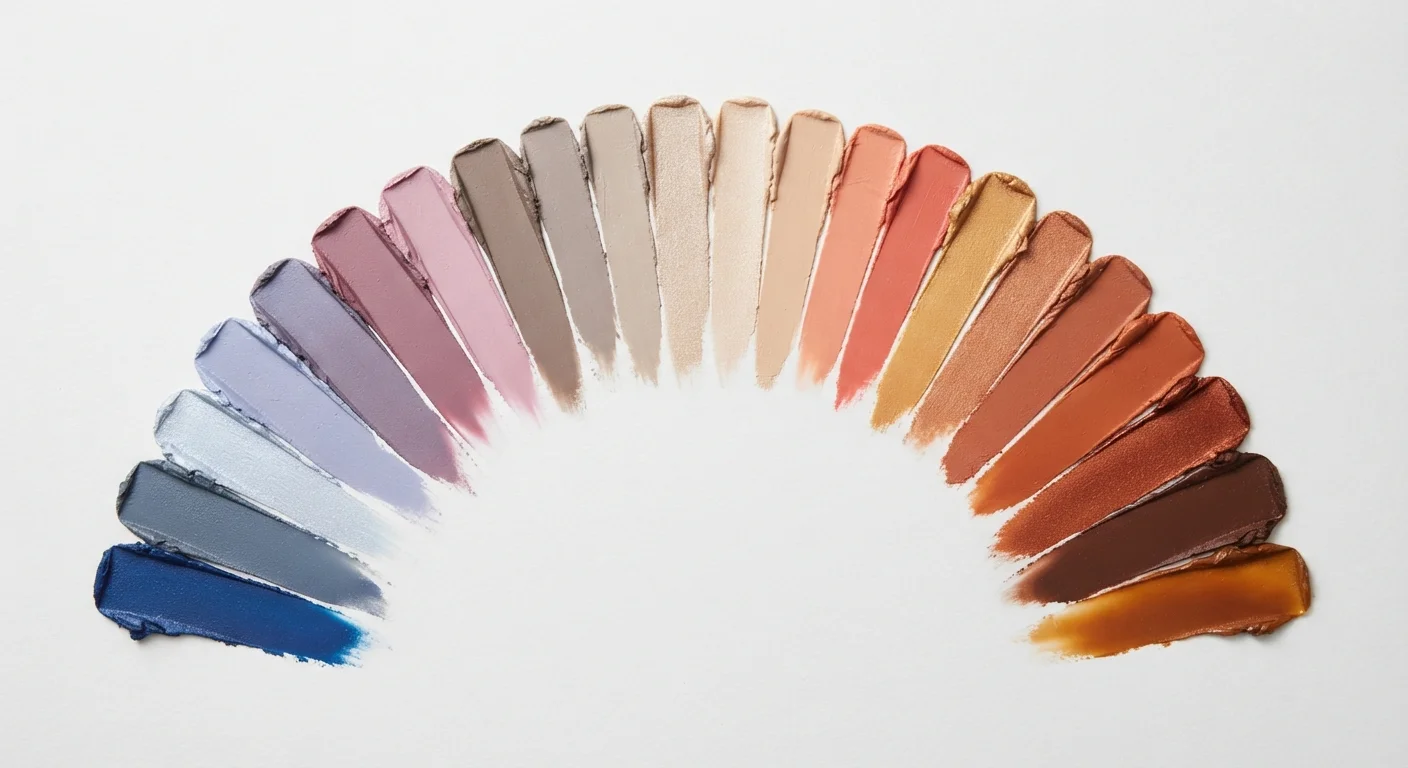
Key Takeaways
- Skin tone describes your surface shade; undertone describes the hue beneath it — these are separate characteristics.
- Undertones are categorized as warm, cool, or neutral and stay relatively consistent year-round.
- Mismatching undertone is the most common reason foundation looks "off" even in the correct depth.
- Your vein color, jewelry preference, and how you tan or burn are reliable clues for identifying undertone.
- Knowing your undertone helps you shop smarter for foundation, concealer, blush, and even clothing colors.
Skin Tone vs. Undertone
Skin tone is the surface color of your skin — the shade you see at a glance, ranging from fair to deep. Undertone is the subtle hue beneath that surface color that influences how your skin appears in different lighting and alongside different colors. The two are independent: someone with a medium skin tone might have a warm, cool, or neutral undertone. Getting both right is what makes makeup look seamlessly natural rather than slightly off.
Undertones are typically categorized as warm (yellow, peachy, or golden), cool (pink, red, or bluish), or neutral (a balance of both). They remain relatively stable even as your surface skin tone changes seasonally from sun exposure.
Why People Confuse the Two
Walk into any beauty aisle and you'll see shades described as "light," "medium," "tan," or "deep" — those are skin tone descriptors. But then there's a second layer of information hiding in shade names like "warm beige" or "cool ivory" — that's the undertone. Because both pieces of information often appear together on the same label, it's easy to assume they're describing one thing. They're not.
Skin tone is observable: it's the color your skin appears when you look in the mirror under neutral light. Undertone is subtler — it's the underlying hue that affects how your skin interacts with colors around it, including makeup, clothing, and lighting. You can share a skin tone with someone and have a completely different undertone. That's why a foundation shade that looks perfect on a friend can look muddy or ashy on you, even if you appear to have the same complexion at a glance.
Undertone Affects More Than Makeup
Understanding undertone is just as useful when building a wardrobe or choosing hair color as it is for selecting foundation. The colors you wear near your face interact with your undertone in the same way makeup does. For a broader look at how color works in your overall style, our guide on color and personal style is a natural next step.
Understanding this distinction pays off beyond foundation. It helps you decode everything from blush and bronzer to the color palette of your wardrobe. See how color works holistically in our guide on the visual language of personal style.
How to Identify Your Undertone
There are three widely recognized undertone categories: warm (yellow, golden, or peachy hues beneath the skin), cool (pink, red, or bluish hues), and neutral (a balanced mix of both). Here are the most reliable at-home methods for figuring out which camp you fall into:
- Vein check: Look at the inside of your wrist in natural daylight. Blue or purple veins point toward a cool undertone; greenish veins indicate warm. Can't quite tell? That's a neutral signal.
- The jewelry test: Think about which metal tends to look most flattering on you. Gold jewelry generally complements warm undertones; silver flatters cool; both work equally well on neutral undertones.
- Sun reaction: If you burn easily and rarely tan, cool undertones are more likely. If you tan quickly with little burning, warm is probable. Both? Neutral.
- White fabric test: Hold a pure white cloth near your face. If your skin looks rosy or pink against it, you lean cool. If it looks yellowish or sallow, you lean warm. If neither reaction seems pronounced, neutral.
Test in Natural Light for Accuracy
Fluorescent store lighting and phone screens can shift how undertones appear, making warm shades look more neutral and cool shades look pink. Always verify your undertone — and any new makeup purchase — in natural daylight or a daylight-balanced mirror for the most accurate read.
None of these methods is foolproof on its own — use two or three in combination for the clearest picture. Fluorescent lighting can distort what you see, so always check undertone in natural or daylight-balanced light.
Putting It to Work in Your Makeup Routine
Once you know your undertone, you can approach color matching with real confidence instead of guesswork. For foundation and concealer, look for shades that list undertone descriptors alongside depth. A "medium warm" formula has a different yellow-golden base than a "medium cool," even if they look nearly identical in the bottle.
Undertone awareness also sharpens your instincts for blush, bronzer, and highlighter. Warm undertones typically glow with peachy or terracotta blushes; cool undertones often pop with rosy or berry hues. Bronzers with orange-heavy pigments can look muddy on cool undertones, while overly pink-toned highlighters may clash against warm skin.
And it doesn't stop at makeup. The same principle applies to hair color — whether a warm golden blonde or a cool ash brown reads as harmonious on you has a lot to do with undertone. For a deeper dive into reading what's actually in your beauty products, check out our article on decoding skincare labels.
If you're building a fuller foundation routine, pairing your undertone knowledge with the right finish type makes a real difference — our guide on foundation finishes covers exactly that.
3
Undertone categories recognized in makeup
Beauty educators and cosmetic chemists broadly classify undertones as warm, cool, or neutral — a framework used across the cosmetics industry for shade development.
~60%
Shoppers who return foundation due to poor color match
Industry estimates suggest that poor shade matching — often driven by undertone confusion — is among the leading causes of foundation returns in beauty retail.