

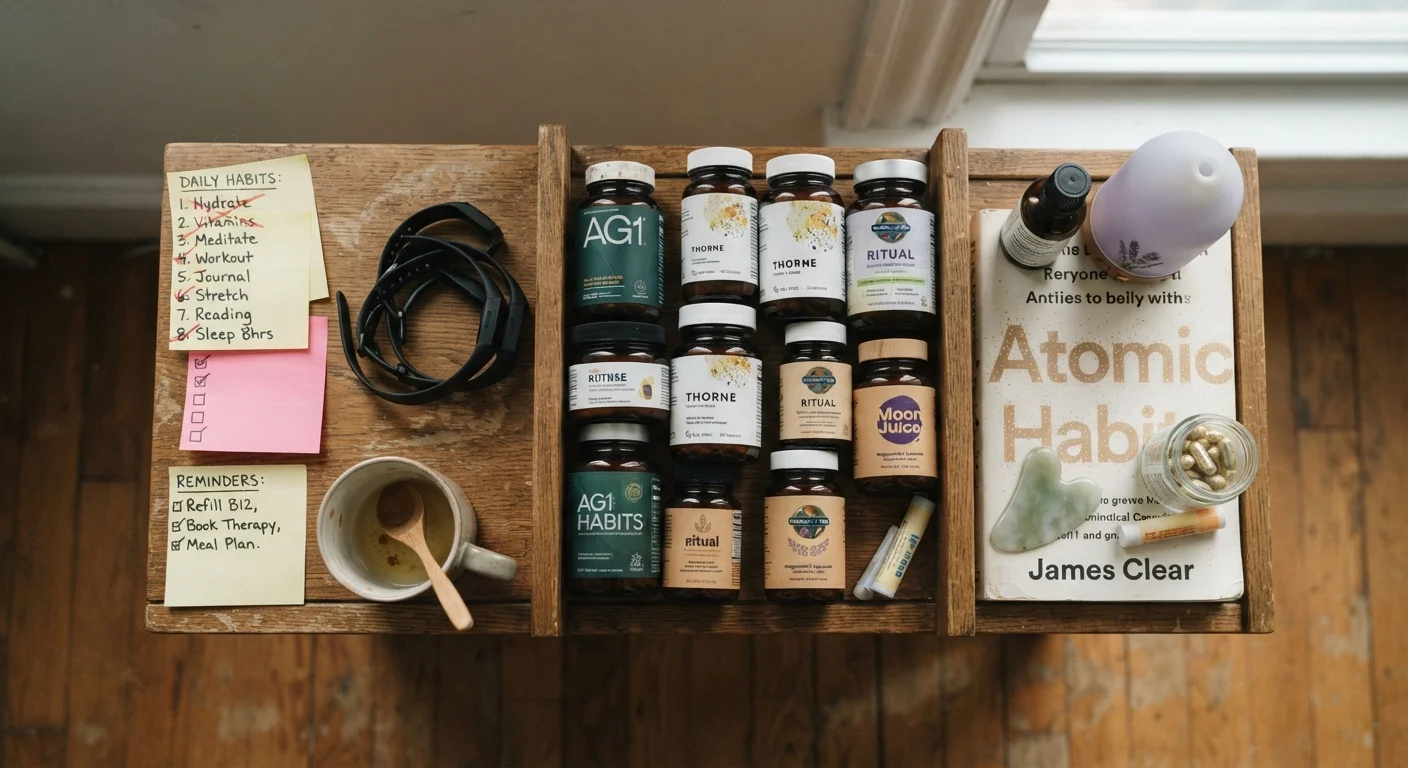
Key Takeaways
- Counterproductive habits can silently cancel out positive wellness efforts already in place.
- Dropping a harmful routine is often more impactful than adding a new one.
- Many wellness mistakes stem from all-or-nothing thinking rather than lazy or careless behavior.
- Small, consistent adjustments tend to outlast dramatic overhauls in long-term health outcomes.
- Identifying what isn't working first creates clearer space for habits that genuinely help.
Why Subtraction Is a Wellness Strategy
Most wellness conversation centers on what to add - more steps, more vegetables, another supplement, a new morning ritual. But before stacking new routines, it's worth asking a more uncomfortable question: what's already working against you?
Counterproductive habits don't always look harmful. Some feel virtuous in the moment - tracking every calorie, pushing through a workout despite exhaustion, committing to a dramatic overhaul come Monday. The problem is that these patterns can quietly cancel out genuine progress. Identifying and dropping them first creates the conditions new habits actually need to take hold.
This isn't about being hard on yourself. It's a practical starting point. The science behind why small daily habits stick reinforces that sustainable wellness is built on a clear, stable foundation - not on adding more weight to an already unsteady base.
~1 in 3
U.S. adults getting insufficient sleep
According to CDC surveillance data, roughly one-third of American adults regularly sleep fewer than the recommended seven hours per night.
~80%
New health behaviors abandoned within weeks
Research on behavior change consistently finds that the large majority of new health resolutions are dropped within the first few weeks without adequate support structures.
Common Wellness Habits Worth Reconsidering
The following patterns show up repeatedly when people struggle to build lasting wellness routines. They're not failures of willpower - they're predictable traps that even well-intentioned people fall into.
Treating every week like a reset - abandoning last week's routine entirely when it wasn't perfect.
Why it happens: All-or-nothing thinking makes any slip feel like total failure, triggering a full restart rather than a course correction.
Adding new wellness habits on top of disrupted sleep instead of addressing sleep first.
Why it happens: Sleep problems feel abstract and slow to fix, so people skip straight to visible changes like new supplements or workouts.
Stacking multiple new habits simultaneously rather than introducing them one at a time.
Why it happens: Motivation spikes, especially after health scares or new-year resolve, create a desire to overhaul everything at once.
Obsessively tracking metrics to the point where data replaces how you actually feel.
Why it happens: Tracking apps make numbers feel like the primary measure of wellness, which can create anxiety around imperfect data.
Spending on wellness products before evaluating whether they're necessary or evidence-backed.
Why it happens: Marketing around wellness products is pervasive and often exploits legitimate health anxiety, making purchases feel like proactive self-care.
Sitting for the bulk of the day and compensating with one intense workout session.
Why it happens: People equate a daily workout with an active lifestyle, not realizing that extended sedentary time has independent health implications.
Don't Drop Medically Necessary Habits
This article focuses on lifestyle habits, not clinical regimens. If a doctor or licensed healthcare provider has prescribed a behavior, supplement, or routine for a medical condition, do not discontinue it based on general wellness guidance. Always consult your provider first.
If you're ready to take a broader look at what your current routine is actually delivering, a weekly wellness self-audit can help you spot the gaps before deciding what to change.
Where to Focus Once You've Cleared the Noise
Once you've identified what to let go of, the next step isn't immediately filling that space with something new. Give the subtraction room to breathe. Notice whether energy, mood, or consistency improve simply from removing friction.
From there, movement and sleep remain the lowest-cost, highest-return investments in everyday wellness. Both are accessible without spending a dollar. Things like morning routines that support energy without caffeine dependence and outdoor time and indoor exercise offer free or low-cost options worth exploring once your foundation is steadier.
Social connection is also frequently underrated. Research on social connection as a health habit suggests that relationships may matter as much as diet or exercise for long-term health - and most of us aren't tracking that metric at all.
This Is General Health Information
The content in this article is for educational purposes only and is not a substitute for personalized medical advice. If you have specific health concerns, symptoms, or conditions, please consult a qualified healthcare professional before making changes to your routine.
This article is for general informational purposes only and does not constitute medical advice. Consult a qualified healthcare professional before making significant changes to your health routine.