

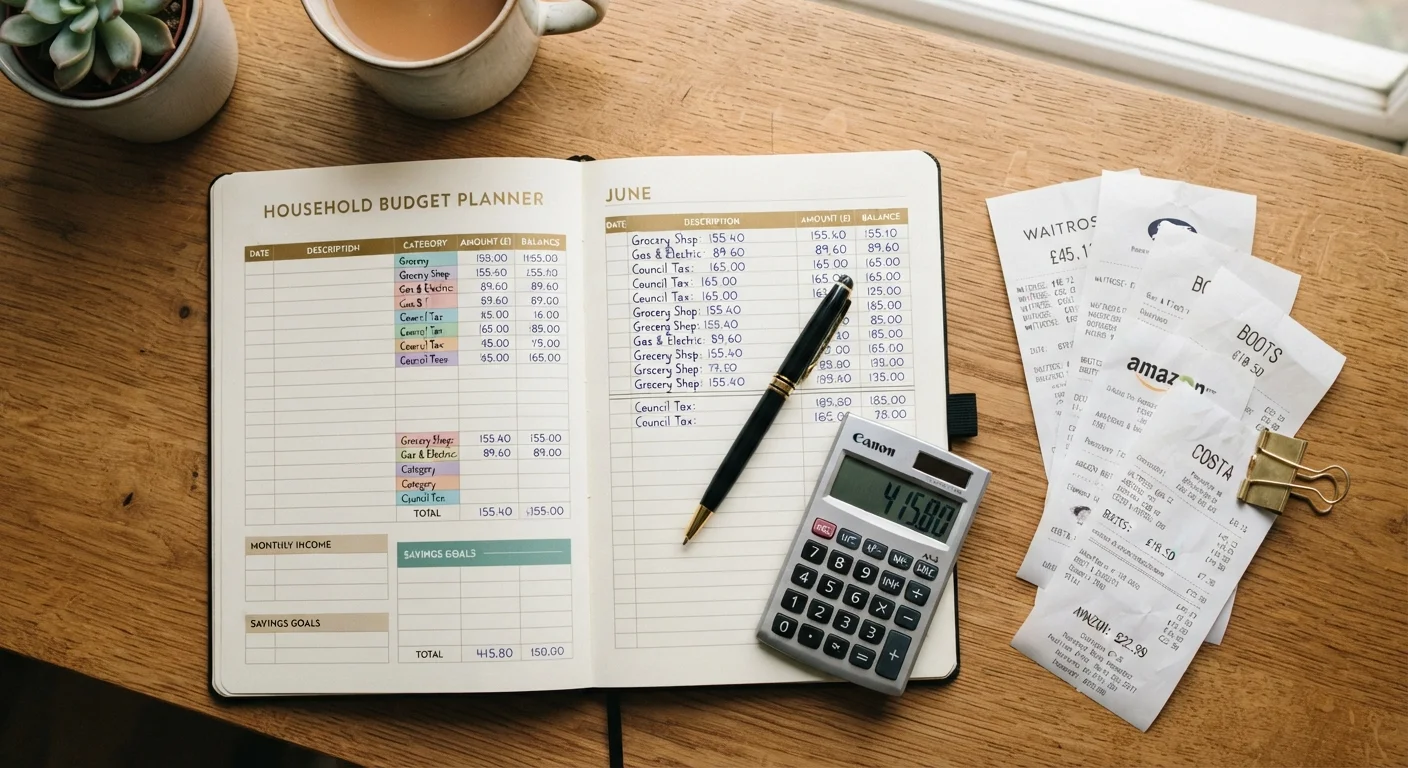
The Core Distinction
Every dollar leaving your account falls into one of two categories: it either stays the same from month to month, or it shifts with your choices and circumstances. That distinction — fixed versus variable — is the foundation of any realistic budget.
Fixed expenses are costs that don't change in amount or frequency. Your rent or mortgage payment is the clearest example: the same number hits your account on the same date every month. Fixed costs are predictable by definition, which makes them the easiest part of a budget to plan around.
Variable expenses fluctuate based on usage, behavior, or market conditions. Groceries, gas, utility bills, and discretionary spending like dining out or clothing all qualify. Their totals shift month to month, sometimes dramatically, which makes them harder to pin down — and the category where most budget overruns quietly happen.
Fixed expense
A recurring cost that remains the same in amount each billing cycle, regardless of usage or behavior. Examples include rent and fixed-rate loan payments.
Variable expense
A cost that changes from period to period based on consumption, choices, or market prices. Groceries and utility bills are common examples.
Periodic expense
A predictable cost that doesn't arrive monthly — such as annual premiums or seasonal purchases. Often overlooked in month-to-month budgets.
Semi-fixed expense
A cost with a fixed base component but variable add-ons or overages, such as a mobile phone plan with a set rate and usage-based charges.
Budget ceiling
The maximum amount allocated to a spending category in a given period, used as a guardrail to prevent variable costs from exceeding planned limits.
Why the Distinction Changes Your Planning
Treating fixed and variable expenses the same way leads to one of the most common budgeting pitfalls: underestimating how much the variable side actually costs. Because variable spending feels optional or small in the moment, it tends to be mentally underweighted — then the monthly total surprises you.
A practical approach is to handle each category differently:
- Fixed costs: List them once, add them up, and treat that sum as a non-negotiable floor. If your fixed obligations consume more than roughly 50% of take-home pay, your flexibility elsewhere is structurally limited — a fact worth knowing before you shop.
- Variable costs: Track at least two to three months of actual spending before setting a target. Averages are more honest than estimates. Budget a realistic ceiling rather than an aspirational one, and build in a small buffer for months when costs spike.
For deal-seekers specifically, variable spending is where shopping behavior shows up most directly. Groceries, clothing, electronics, and subscriptions are all variable — meaning your choices actively determine what you spend. Understanding this is what connects smart shopping to actual savings. You can compare prices and hunt for value all you want, but the savings only stick if they're reflected in your variable budget targets. See how budgeting basics can tie those habits together into a coherent plan.
Subscriptions Blur the Line
Streaming services, software plans, and gym memberships are billed on a fixed schedule but can be canceled — making them technically discretionary despite feeling fixed. Review them alongside your variable budget rather than locking them into your fixed obligations column. This also makes them one of the first places to look when you need to free up cash quickly.
Periodic and Semi-Fixed Expenses
Two additional patterns are worth knowing. Periodic expenses are costs that are predictable but don't arrive monthly — annual insurance premiums, vehicle registration, holiday gifts, or back-to-school shopping. Because they don't appear on a typical monthly ledger, they're easy to forget. A number of spending categories that quietly derail budgets fall into this bucket.
Semi-fixed expenses sit between the two main categories. Your mobile phone plan has a fixed base rate, but overages or add-ons make it variable at the edges. Gym memberships, streaming bundles, and tiered utility plans work similarly. Recognizing where your own expenses fall on this spectrum — truly fixed, truly variable, or somewhere between — gives you a more accurate picture of where you actually have room to adjust.
Once you've sorted your expenses by type, you're in a much stronger position to understand how separating fixed and variable costs changes the way you budget — and to make deliberate trade-offs rather than reactive ones. Whether you're trying to free up cash for a large purchase or simply stop the month-end shortfall, classifying your spending is the necessary first step.
This article is for general informational and educational purposes only and does not constitute personalized financial advice. For guidance specific to your financial situation, consult a licensed financial professional.