
Uninsured and Underinsured Motorist Coverage: The Protection Most Drivers Overlook

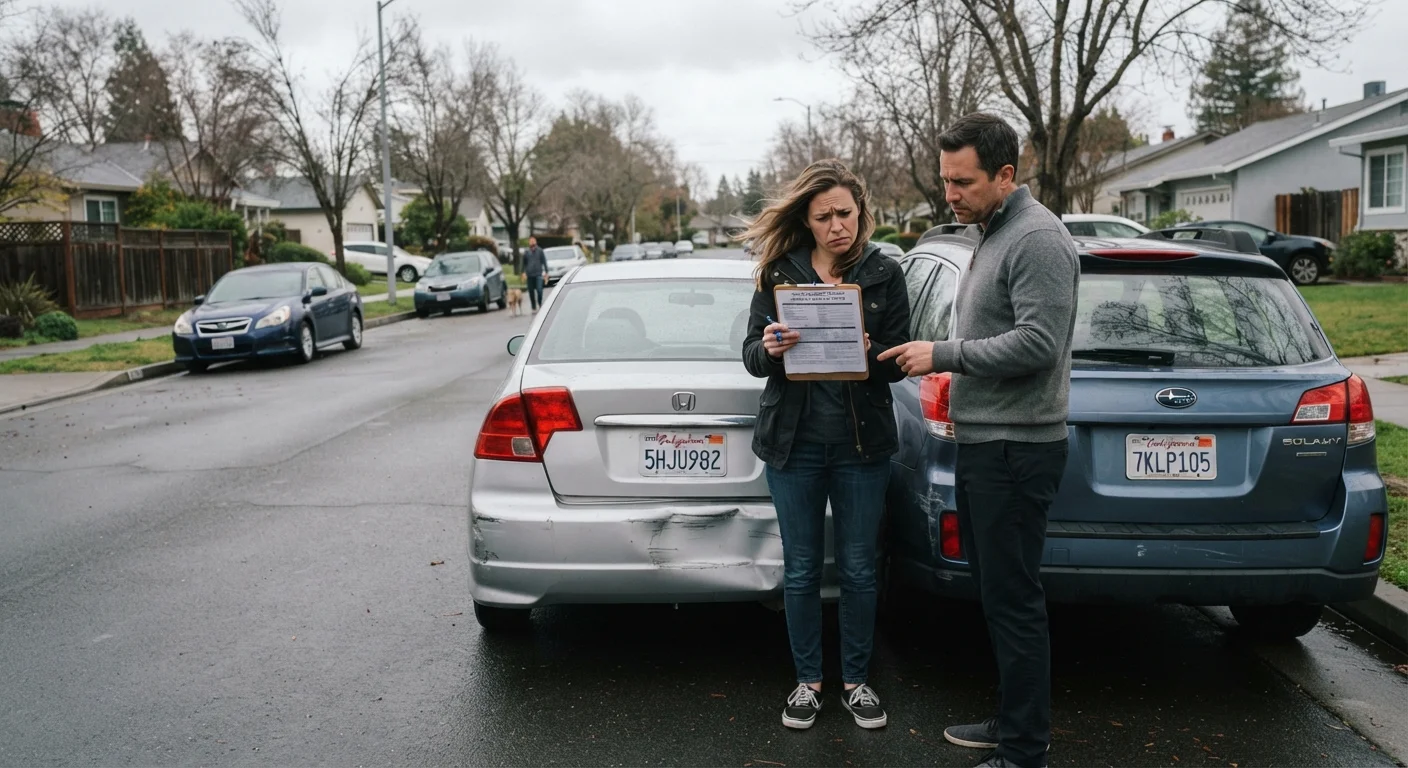
Key Takeaways
- About 1 in 8 U.S. drivers is uninsured, meaning a collision carries real financial risk even if you drive carefully.
- Uninsured motorist coverage applies when the at-fault driver has no insurance; underinsured coverage applies when their limits fall short.
- UM/UIM coverage can pay for medical bills, lost wages, and sometimes property damage - depending on your state and policy.
- Many drivers skip or minimize this coverage without realizing it, creating a significant gap in their protection.
- Coverage terms, limits, and requirements vary by state and insurer, so reading your actual policy documents matters.
Uninsured & Underinsured Motorist Coverage
Uninsured motorist (UM) coverage pays for your injuries and sometimes your vehicle damage when you're hit by a driver who has no auto insurance at all. Underinsured motorist (UIM) coverage kicks in when the at-fault driver has insurance, but their policy limits aren't high enough to cover your full losses. Together, these coverages act as a backstop when the person who caused the crash can't fully pay for the harm they caused.
UM/UIM coverage is typically split into bodily injury and property damage components, and in some states it is legally required. Policy limits and stacking rules vary significantly by state.
The Problem: Not Every Driver on the Road Is Insured
When you purchase auto insurance, you're likely focused on what happens if you cause an accident. But what about when someone else causes one - and they have no insurance to pay for your injuries or vehicle damage?
According to the Insurance Research Council, roughly one in eight U.S. drivers operates a vehicle without any auto insurance coverage. That number varies by state - in some areas, the uninsured rate runs significantly higher. Even drivers who carry insurance sometimes hold bare-minimum liability limits that fall well short of covering a serious injury.
This is the coverage gap that uninsured and underinsured motorist protection is specifically designed to close. For a broader look at where gaps commonly appear across policy types, see Coverage Gaps That Catch Policyholders Off Guard.
1 in 8
U.S. drivers estimated to be uninsured
According to the Insurance Research Council, approximately 12.6% of motorists nationwide were uninsured in a recent study period.
$25,000
Common state minimum bodily injury liability limit
Many states set liability minimums well below the cost of a serious injury - leaving victims to cover the gap themselves without UIM coverage.
How Each Type of Coverage Works
Uninsured Motorist (UM) Coverage steps in when the driver who caused the accident has no liability insurance whatsoever. It can cover medical expenses, lost wages, and pain and suffering for you and your passengers. In some policies and states, it also covers damage to your vehicle - though this is handled under a separate property damage component.
Underinsured Motorist (UIM) Coverage applies when the at-fault driver does have insurance, but their liability limits are too low to fully compensate you. For example, if the other driver carries $25,000 in bodily injury liability and your medical bills reach $80,000, your UIM coverage can make up some or all of the difference - up to your own policy's UIM limit.
Both coverages attach to you, not to the vehicle that hit you. That means they can apply whether you're in your car, a friend's car, or in some cases even if you're struck as a pedestrian or cyclist - though the specifics depend heavily on your state and policy language.
For a full overview of how UM/UIM fits alongside other auto coverage types, Auto Insurance Coverage Types breaks down what each component actually covers.
Check What 'UM Property Damage' Means in Your State
UM bodily injury coverage is the most common component, but not every policy automatically includes property damage under the UM umbrella. Some states require it separately; others bundle it together. If you want your vehicle covered when an uninsured driver hits it, confirm with your insurer that property damage is explicitly included - and check whether a deductible applies.
What UM/UIM Coverage Typically Pays For
Depending on your state and specific policy, UM/UIM coverage may pay for:
- Medical expenses - hospital bills, rehabilitation, and ongoing treatment costs
- Lost wages - income lost while you're recovering and unable to work
- Pain and suffering - non-economic damages similar to what you'd seek in a liability claim
- Funeral expenses - in the event of a fatal accident
- Vehicle repair or replacement - if your policy includes UM property damage coverage
What it generally does not cover: your own collision deductible (that's handled separately under collision coverage), damage to others' property, or losses that exceed your chosen UM/UIM limits.
UM/UIM Is Separate From Collision Coverage
Collision coverage pays to repair your vehicle regardless of fault, but it requires you to pay a deductible and doesn't address medical bills or lost wages. UM/UIM coverage can fill those non-vehicle gaps, and in some cases covers vehicle damage too - but the two coverages work differently and serve different purposes. Having both gives you the most complete protection. See Comprehensive vs. Collision Auto Coverage for more on how collision coverage works.
How to Know Whether Your Policy Has Enough
Many drivers either lack UM/UIM coverage entirely or carry limits so low they won't matter after a serious accident. Here's what to look at when reviewing your policy:
- Check your declarations page. UM/UIM coverage should appear as a line item with separate limits for bodily injury and, if applicable, property damage.
- Compare your limits to realistic costs. A serious injury involving surgery and extended recovery can easily reach six figures. If your UM limit is $25,000, that gap matters.
- Ask about stacking. If your state allows stacking - combining limits across multiple vehicles or policies - this can meaningfully increase your effective coverage.
- Review your full policy, not just the summary. The declarations page shows limits, but the actual policy document defines what's covered and what's excluded.
Our policy review checklist can help you audit for coverage gaps before renewing or signing a new policy. And if you're considering high liability limits for broader protection, personal umbrella insurance is worth understanding as a complementary layer.
This article is for general informational purposes only and is not personalized insurance, financial, or legal advice. Coverage terms, limits, and requirements vary by insurer, policy, and state. Read your actual policy documents and consult a licensed insurance agent or advisor for guidance specific to your situation.