

Key Takeaways
- The exam fee covers the physical assessment and veterinarian consultation - not vaccines, lab work, or medications.
- Vaccines, parasite tests, and heartworm screenings are typically billed as separate line items.
- Asking for an itemized estimate before the appointment helps avoid billing surprises.
- Preventive care consistently done over time tends to reduce larger, costlier interventions later.
- Low-cost clinic options exist for qualifying households - worth researching before assuming full-price care is the only option.
Routine Veterinary Wellness Exam
A routine vet visit - also called a wellness exam or annual checkup - is a scheduled appointment where a veterinarian evaluates your pet's overall health. It typically includes a physical nose-to-tail assessment, a review of your pet's medical history, and a discussion of preventive care. It is not the same as a diagnostic or sick visit, and it doesn't automatically include every service your pet may need.
Wellness exams are distinct from problem-focused visits; billing codes and costs differ, and not all services performed during the same appointment may be bundled under the exam fee.
What the Physical Exam Actually Involves
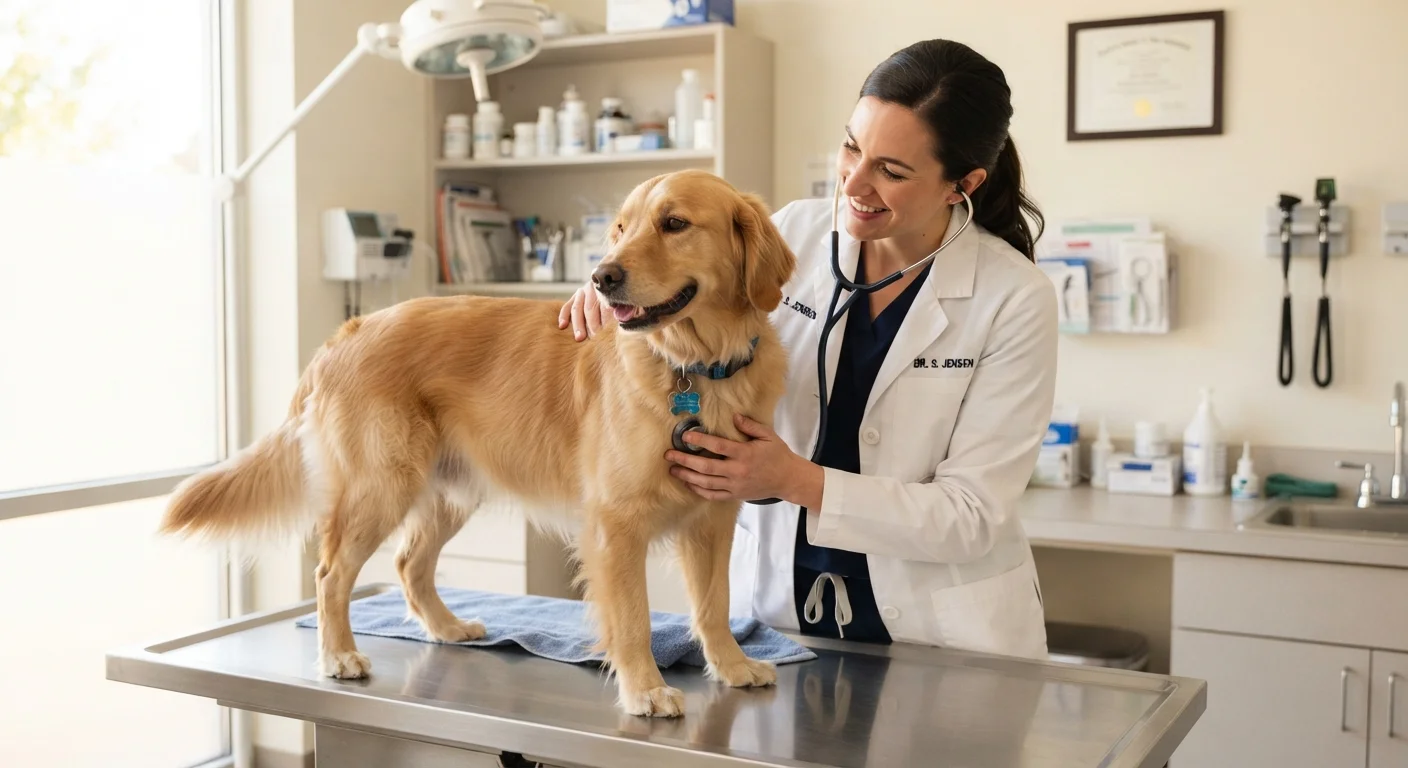
When a veterinarian conducts a wellness exam, they work through a systematic head-to-tail assessment. This typically includes evaluating your pet's eyes, ears, teeth, gums, lymph nodes, skin and coat, heart and lung sounds, abdomen, joints, and body weight. The vet is looking for anything that seems off from baseline - a heart murmur, swollen glands, dental tartar buildup, or unexpected weight loss.
This hands-on portion is what the exam fee pays for, along with the veterinarian's time to discuss findings and answer your questions. It's the clinical judgment call - not just the touching - that makes the exam valuable. A skilled vet can flag early-stage problems that show no outward symptoms.
What the exam fee does not include: any diagnostic tests, vaccines, or treatments that follow. Those are separate decisions, and separate line items.
Ask for an Itemized Quote Before You Arrive
Most clinics are happy to walk you through the likely costs of an upcoming visit over the phone. Knowing the base exam fee plus the cost of any recommended vaccines or tests ahead of time makes it easier to decide which services to proceed with that day and which can wait. It also eliminates the discomfort of unexpected invoices at checkout.
Services That Are Almost Always Billed Separately
This is where many pet owners are caught off guard. After a wellness exam, a vet may recommend - or you may request - services that fall entirely outside the base exam fee. Common add-ons include:
- Vaccines: Each vaccination (rabies, distemper, bordetella, etc.) is typically billed individually. Which ones are due depends on your pet's records and local requirements.
- Heartworm test: Usually an annual blood draw, billed separately. Required before most clinics will prescribe heartworm preventive medication.
- Fecal test: Screens for intestinal parasites. Recommended at least once a year for many pets, especially those that spend time outdoors.
- Bloodwork: A comprehensive blood panel - often recommended for senior pets - is a separate lab fee, sometimes significant.
- Nail trim or ear cleaning: Minor grooming services sometimes done at the same visit, almost always an extra charge.
For a fuller picture of the costs that catch new owners by surprise, see hidden pet ownership costs that tend to surface after the first year.
~$50-$250
Typical base wellness exam fee range
Costs vary significantly by region, clinic type, and pet species - urban practices and specialty hospitals tend to charge more than rural or community clinics.
2x/year
Recommended exam frequency for senior pets
The American Veterinary Medical Association and most veterinary guidelines suggest twice-yearly checkups for pets in their senior life stage, which can begin as early as age 7 for dogs.
1 in 3
Pets diagnosed with a condition at a routine visit
Veterinary industry data consistently suggests a significant share of apparently healthy pets are found to have a previously undetected condition during routine exams.
How to Prepare So Nothing Catches You Off Guard
A little preparation before the appointment goes a long way - both for your pet's care and your wallet.
- Bring prior records. If you've switched vets or adopted a rescue animal, vaccination history matters. It prevents duplicate vaccines and helps the vet identify gaps.
- Write down any behavioral or physical changes. Subtle shifts - drinking more water, changes in appetite, new lumps - are worth mentioning even if they seem minor. The exam is your window to ask.
- Request an itemized estimate upfront. Call the clinic before the appointment and ask what the exam costs and what additional services are typically recommended for a pet of your animal's age and species. Get it in writing if possible.
- Know which services you're prioritizing. If budget is a constraint, tell the vet. Many will help you prioritize which tests or vaccines are most urgent versus what can wait for a follow-up visit.
Consistent preventive habits - weight monitoring, dental hygiene, timely parasite prevention - can reduce how much intervention is needed at these visits over time.
When a Routine Visit Turns Into Something More
Sometimes what starts as a wellness exam surfaces a concern that requires follow-up. The vet might detect a suspicious lump, an irregular heartbeat, or bloodwork results that need further investigation. At that point, the visit transitions from preventive to diagnostic - and the costs can escalate quickly.
This isn't the vet upselling; it's the system working as intended. Catching problems early through routine visits generally leads to less costly and less invasive treatment than addressing the same problems after they've progressed. That said, you're always entitled to ask questions, request time to consider recommendations, and seek a second opinion for significant findings.
If you're new to pet ownership, the financial side of veterinary care is worth planning for before you need it. A practical overview of first-time pet ownership costs covers how to budget realistically from day one. And if cost is a genuine barrier, community veterinary resources - including nonprofit clinics and veterinary school programs - may provide meaningful relief for qualifying households.
Wellness Visits Aren't a Substitute for Sick Care
A routine wellness exam is designed for healthy animals. If your pet is showing signs of illness - vomiting, lethargy, limping, difficulty breathing - schedule a dedicated sick visit rather than waiting for the next annual checkup. Problem-focused visits are often structured and billed differently, and your vet will want to focus on the presenting concern rather than a general survey of health.