

Key Takeaways
- Brushing, basic bathing, and ear cleaning are generally safe to do at home with proper technique.
- Nail trimming and haircuts carry real risk of injury or skin problems if done incorrectly.
- Professional groomers can spot early signs of skin, ear, or coat health issues.
- DIY grooming saves money over time but requires an upfront investment in tools and learning.
- The right balance depends on your pet's breed, coat type, and your own comfort level.
Lower ongoing cost once tools are purchased
After the initial investment in grooming tools, routine home maintenance like brushing and bathing costs very little per session compared to professional pricing.
Strengthens the bond between pet and owner
Regular hands-on grooming helps pets become more comfortable with handling, which can reduce stress during veterinary exams and future grooming appointments.
Flexible scheduling - no appointment needed
Home grooming lets you address matting, dirty paws, or odor on your own timeline rather than waiting for an available slot at a salon.
Easier to spot health changes early
Owners who groom regularly become familiar with their pet's normal skin, coat, and body condition, making it easier to notice lumps, rashes, or parasites.
Risk of injury with sharp tools near skin
Nail clippers, scissors, and clippers can cause cuts, nicks, or nail quick injuries without proper technique - mistakes that may require veterinary attention.
Can worsen coat condition if done incorrectly
Improper clipping of double-coated breeds or incorrect drying techniques can damage coat structure or promote skin infections that are costly to treat.
Missing professional health observation
Trained groomers often catch early signs of ear infections, skin conditions, or unusual lumps that untrained eyes overlook during routine grooming sessions.
Steep learning curve for complex breeds
Breeds with curly, double, or fast-growing coats require specific techniques and timing that take significant practice to execute safely and effectively.
Our Verdict
DIY grooming is realistic - and genuinely cost-effective - for routine tasks like brushing, bathing, and light ear cleaning. For anything that involves sharp tools near skin or breed-specific cuts, professional grooming reduces the risk of harm and delivers better results. Most pet owners benefit from a mixed approach rather than committing entirely to one or the other.
Pet owners with short-haired or low-maintenance breeds who are comfortable learning basic techniques will get the most out of a DIY-first approach, while owners of double-coated, curly-haired, or anxiety-prone animals are likely better served by regular professional appointments.
What You Can Realistically Handle at Home
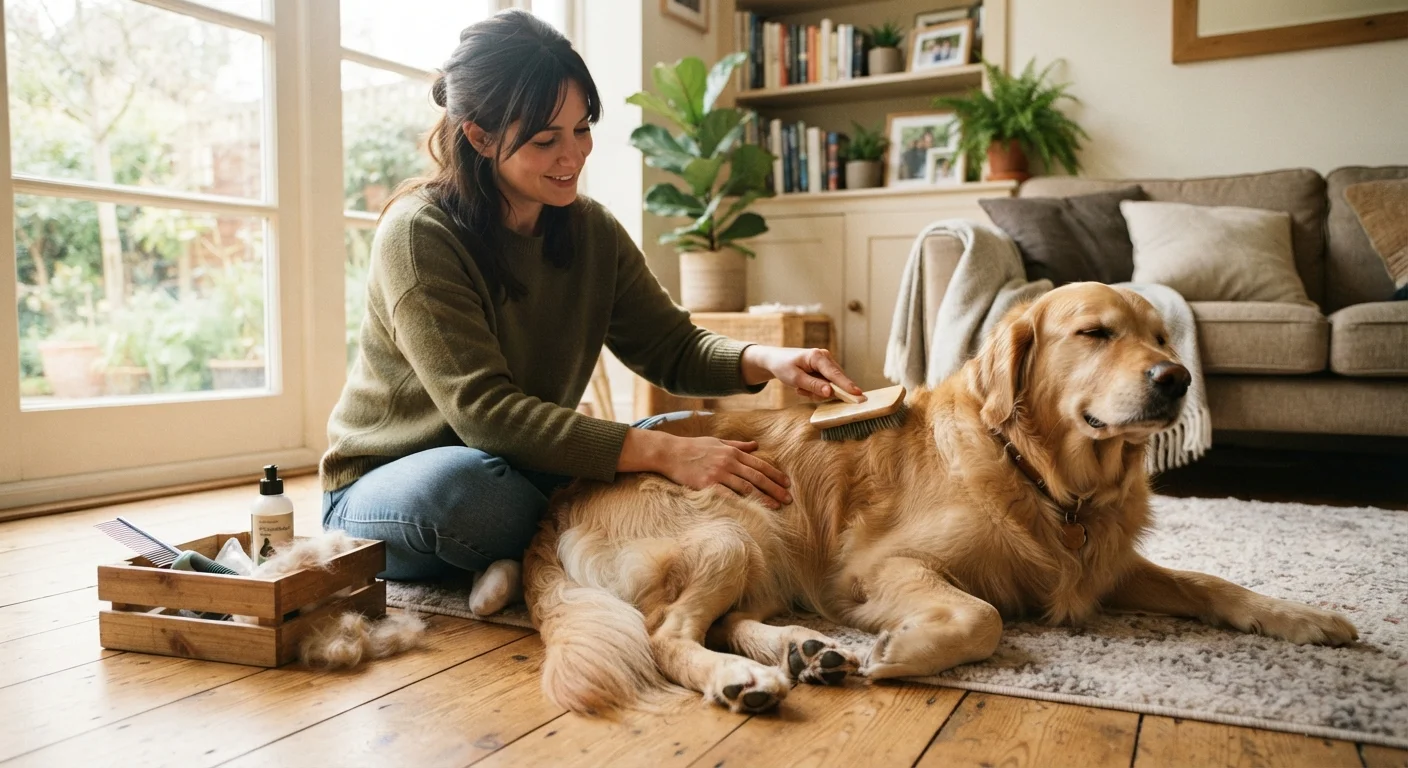
Several grooming tasks are well within reach for most pet owners, provided you use the right tools and take your time. Brushing is the clearest example: regular brushing removes loose fur, prevents matting, and distributes natural oils through the coat. For most breeds, a few minutes several times a week is all it takes, and the cost of a quality brush pays for itself quickly compared to frequent professional visits.
Basic bathing is also manageable at home. Use a shampoo formulated for pets - human products have a different pH balance and can irritate animal skin. Make sure to rinse thoroughly, as residue is a common cause of itching and dryness. Drying matters too: damp skin folds or thick coats that stay wet can become breeding grounds for bacteria or yeast.
Light ear cleaning - removing visible debris from the outer ear canal with a vet-approved solution and a cotton ball - is another task most owners can handle safely. The key word is outer: probing deeper into the ear canal risks injury and should always be left to a professional.
Lower ongoing cost once tools are purchased
After the initial investment in grooming tools, routine home maintenance like brushing and bathing costs very little per session compared to professional pricing.
Strengthens the bond between pet and owner
Regular hands-on grooming helps pets become more comfortable with handling, which can reduce stress during veterinary exams and future grooming appointments.
Flexible scheduling - no appointment needed
Home grooming lets you address matting, dirty paws, or odor on your own timeline rather than waiting for an available slot at a salon.
Easier to spot health changes early
Owners who groom regularly become familiar with their pet's normal skin, coat, and body condition, making it easier to notice lumps, rashes, or parasites.
If you're new to pet ownership and mapping out costs, our practical financial and care overview for new pet owners covers which supplies and routines to prioritize from day one.
Where DIY Grooming Gets Risky
Nail trimming is one of the most commonly attempted - and most commonly botched - home grooming tasks. Cutting into the quick (the blood vessel inside the nail) causes pain and bleeding. On dogs with dark nails, the quick is nearly invisible, making confident trimming genuinely difficult without practice. If your pet pulls away or you're uncertain, a groomer or vet tech can handle it safely for a modest fee.
Haircuts and de-shedding treatments for double-coated breeds are another area where home attempts frequently cause problems. Cutting a double coat incorrectly can damage the undercoat's ability to regulate temperature - a condition sometimes called "clipper awe" or post-clipping alopecia - and the coat may not grow back normally. Breed-specific cuts also require skill and breed knowledge that takes time to develop.
Risk of injury with sharp tools near skin
Nail clippers, scissors, and clippers can cause cuts, nicks, or nail quick injuries without proper technique - mistakes that may require veterinary attention.
Can worsen coat condition if done incorrectly
Improper clipping of double-coated breeds or incorrect drying techniques can damage coat structure or promote skin infections that are costly to treat.
Missing professional health observation
Trained groomers often catch early signs of ear infections, skin conditions, or unusual lumps that untrained eyes overlook during routine grooming sessions.
Steep learning curve for complex breeds
Breeds with curly, double, or fast-growing coats require specific techniques and timing that take significant practice to execute safely and effectively.
Anal gland expression is sometimes recommended for dogs prone to impaction, but it carries a real risk of injury if performed incorrectly and should only be done by a vet or trained groomer. Similarly, teeth brushing at home is generally encouraged by veterinarians - but dental scaling and cleaning require professional equipment and sedation and are not a DIY task under any circumstances.
Grooming risks aren't limited to physical injury. Poorly managed sessions can create lasting anxiety in pets, making future grooming - whether at home or with a professional - much harder. Going slowly, using positive reinforcement, and stopping before your pet becomes distressed matters as much as technique.
The Real Cost Comparison
The financial case for DIY grooming is real but more nuanced than it first appears. Professional grooming for a medium-sized dog can run anywhere from $50 to over $100 per session depending on coat type, location, and services. Doing basic maintenance at home can meaningfully reduce how often those appointments are necessary - but not always eliminate them.
$50-$100+
Typical professional dog grooming cost per session
Pricing varies widely based on dog size, coat type, and geographic location - with some specialty breeds or services costing more.
$80-$150
Estimated upfront cost for basic home grooming tools
A starter kit including brush, nail clippers, shampoo, and a non-slip mat can cost this range before the first home session.
Upfront tool costs add up: a quality slicker brush, nail clippers, pet-safe shampoo, and a grooming table or non-slip mat can easily cost $80-$150 total before you've groomed once. That investment pays off over months, not immediately. Factor in the time cost too - a professional can complete a full groom in an hour or two; learning the same tasks at home takes longer at first.
One often-overlooked benefit of regular professional grooming: experienced groomers frequently notice early signs of skin conditions, lumps, ear infections, or parasite infestations that owners miss. That kind of early detection can prevent more expensive veterinary treatment later. Our article on preventive care habits that reduce long-term vet expenses covers this connection in more detail.
When to Always Defer to a Professional
Certain tasks - anal gland expression, dental scaling, ear canal cleaning, and full haircuts on breed-specific coats - should not be attempted at home without professional training. The risk of injury, infection, or long-term coat damage is significant enough that the cost of a professional appointment is generally the more economical choice when you factor in potential vet bills.
Pet grooming costs are one of several recurring expenses that catch new owners off guard. For a fuller picture, see our look at the hidden costs of pet ownership that often go unplanned.