

Key Takeaways
- Always run a vehicle history report before committing to any used car purchase.
- A pre-purchase inspection by an independent mechanic is one of the most valuable steps you can take.
- Title status and lien checks can prevent inheriting someone else's debt or legal problems.
- Dashboard warning lights and mismatched panels are easy-to-spot red flags during a walk-around.
- Review all paperwork carefully before signing - errors or missing documents create problems later.
Summary
22 items · 1-3 hours across research and in-person inspection
Why Verification Matters Before You Sign
Buying a used car is one of the larger financial decisions most households make, and the risks are real. Unlike a new vehicle with a factory warranty and a clean slate, a used car carries its entire history with it - accidents, title problems, deferred maintenance, and sometimes outright fraud. The good news is that most of these risks are discoverable before you hand over a dollar, as long as you know where to look.
This checklist is organized into four stages: research you do before you ever see the car, the walk-around inspection, the test drive, and paperwork review. Work through each group in order. Skipping the research phase and showing up to a test drive cold is one of the most common - and costly - mistakes buyers make.
For a broader view of what ownership actually costs beyond the purchase price, see our complete guide to car ownership costs.
Before You See the Car
Walk-Around Inspection
Test Drive and Mechanical Check
Paperwork Review
Tools You'll Need for a Thorough Check
You don't need a mechanic's license to do this well, but a few resources will make the process significantly more reliable.
Vehicle History Report Service
Provides a compiled report of accident history, title records, odometer readings, and prior ownership based on the VIN.
NHTSA Recall Database (nhtsa.gov)
Free federal tool to check whether any open safety recalls apply to the vehicle you're considering.
Independent Licensed Mechanic
Performs a pre-purchase inspection to identify mechanical issues not visible during a walk-around.
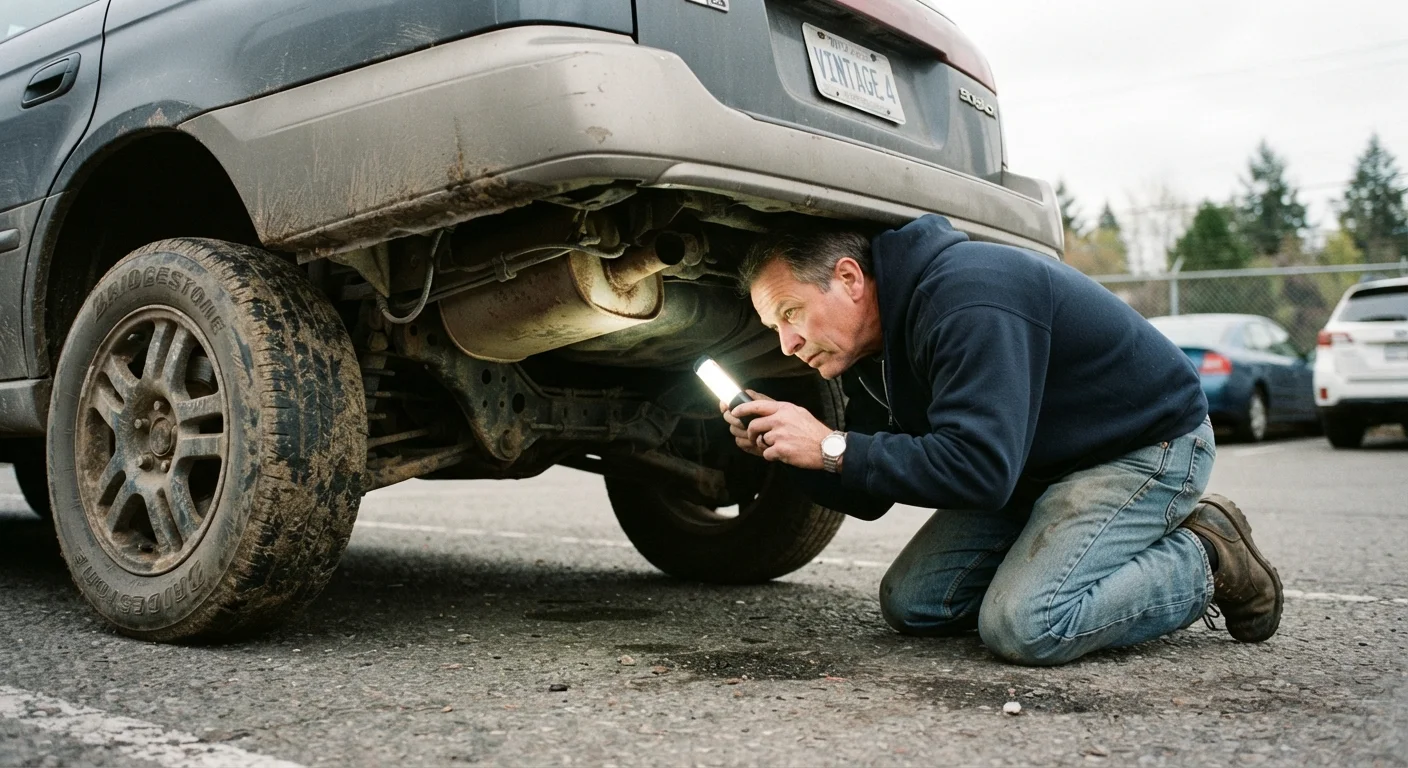
Flashlight
Essential for inspecting the undercarriage, engine bay, and interior areas with poor visibility.
Tire Tread Depth Gauge
Measures remaining tread accurately across all four tires to assess wear and replacement needs.
One area buyers often overlook until after purchase is extended warranty coverage. If you're considering one, it's worth understanding the fine print first - read what extended warranties on used cars typically cover and exclude before making that call.
Never Skip the Independent Mechanic Inspection
A seller who refuses to let you take the vehicle to an independent mechanic is a significant red flag. Pre-purchase inspections typically cost between $100 and $200 and can uncover problems worth thousands of dollars in repairs. Even vehicles that look pristine can have hidden mechanical, electrical, or structural issues that only a trained technician will catch.
Red Flags That Should Stop the Deal
Some discoveries during this checklist process are deal-breakers rather than negotiating points. A salvage or rebuilt title, an unresolved lien, a VIN that doesn't match across the vehicle, or a seller who refuses an independent inspection are all situations where walking away is the right call - regardless of how good the price seems.
If you're also in the habit of comparing prices carefully across purchases, the same discipline applies here. The price comparison checklist has useful framing for evaluating total cost, not just sticker price.
A Salvage Title Changes Everything
A vehicle with a salvage or rebuilt title has been declared a total loss by an insurance company at some point in its history. These vehicles can be roadworthy, but they carry significant implications: resale value is substantially lower, many lenders won't finance them, and some insurers won't offer full coverage on them. If the seller represents a car as having a clean title and it does not, that is potential fraud - consult an attorney or your state's DMV before proceeding.
Once you're satisfied with the vehicle, your next step is understanding your insurance options. Use the insurance policy checklist to audit coverage before you sign anything.
This article provides general educational information about the used car buying process. It is not legal, financial, or mechanical advice. For concerns about a specific vehicle or transaction, consult a licensed mechanic, a qualified attorney, or a licensed automotive professional in your state.